Hormonal changes: postpartum body adaptations that can influence mood, sleep and breastfeeding
After childbirth, there is a sharp drop in oestrogen y progesterone when the placenta is delivered. This endocrine “reset” may be accompanied by emotional lability, irritability and easy crying in the first few days, a phenomenon known as the “baby blues”. These changes also influence thermoregulation and fluid balance, which explains night sweats and variations in energy. Individual response is variable and modulated by rest, postpartum pain and mental health history.
The breastfeeding introduces a specific hormonal pattern: the prolactin increases with suckling and promotes milk synthesis, while milk oxytocin is released in pulses and triggers lacteal ejection. Both can be associated with drowsiness, a feeling of calmness or sometimes transient restlessness during feeds, as well as uterine cramps at the onset. These peaks, especially at night, overlap with the fragmented sleep associated with newborn care.
Key hormones and possible effects
- Oestrogen and progesteronepostpartum decline is associated with emotional sensitivity, night sweats and mood swings.
- Prolactinelevated with sucking; may be associated with drowsiness and decreased libido; higher levels at night.
- Oxytocinrelease in pulses during feedings and skin-to-skin contact; causes milk ejection and, in some people, feelings of calm or shivering.
- Cortisolmay fluctuate due to postpartum stress and sleep deprivation, contributing to fatigue and irregular alertness.
- MelatoninThe following are some of the most important factors that can disrupt the circadian rhythm and fragment rest: shooting schedules and exposure to night-time light can disrupt the circadian rhythm and fragment rest.
- Thyroid hormonespostpartum thyroid dysfunction (e.g. thyroiditis) may manifest as fatigue, anxiety or sluggishness, affecting mood, sleep and, in some cases, lactation.
Evolution usually tends to progressively stabilise over weeks, although times vary from person to person. Emotional or sleep symptoms that remain intense or interfere markedly with self-care or infant feeding are not considered an inevitable part of the puerperium and may require individualised clinical assessment.
Pelvic floor: postpartum body adaptations, common symptoms and prudent care options
Physiological adaptations after childbirth
During the postpartum, the pelvic floor and supportive tissues experience stretching, oedema and changes in neuromuscular coordination. The possible presence of tears or episiotomy adds local variations in tenderness and strength. Oestrogen decline, more marked during lactation, may be associated with vaginal dryness and fragility. Intra-abdominal pressure and respiratory patterns are modified, which may influence the synergistic function with the abdominal binder. Recovery is progressive and heterogeneous, conditioned by the type of delivery, the daily physical load and the previous history of connective and muscular tissue.
Frequent symptoms
- Urinary incontinence of exertion or urgency, postvoid drip or weak stream.
- Difficulty holding in gas or stool, or urge to defecate.
- Sensation of vaginal heaviness or “lump” compatible with pelvic organ descent.
- Pelvic pain, perineal or in the scar; discomfort during sexual intercourse.
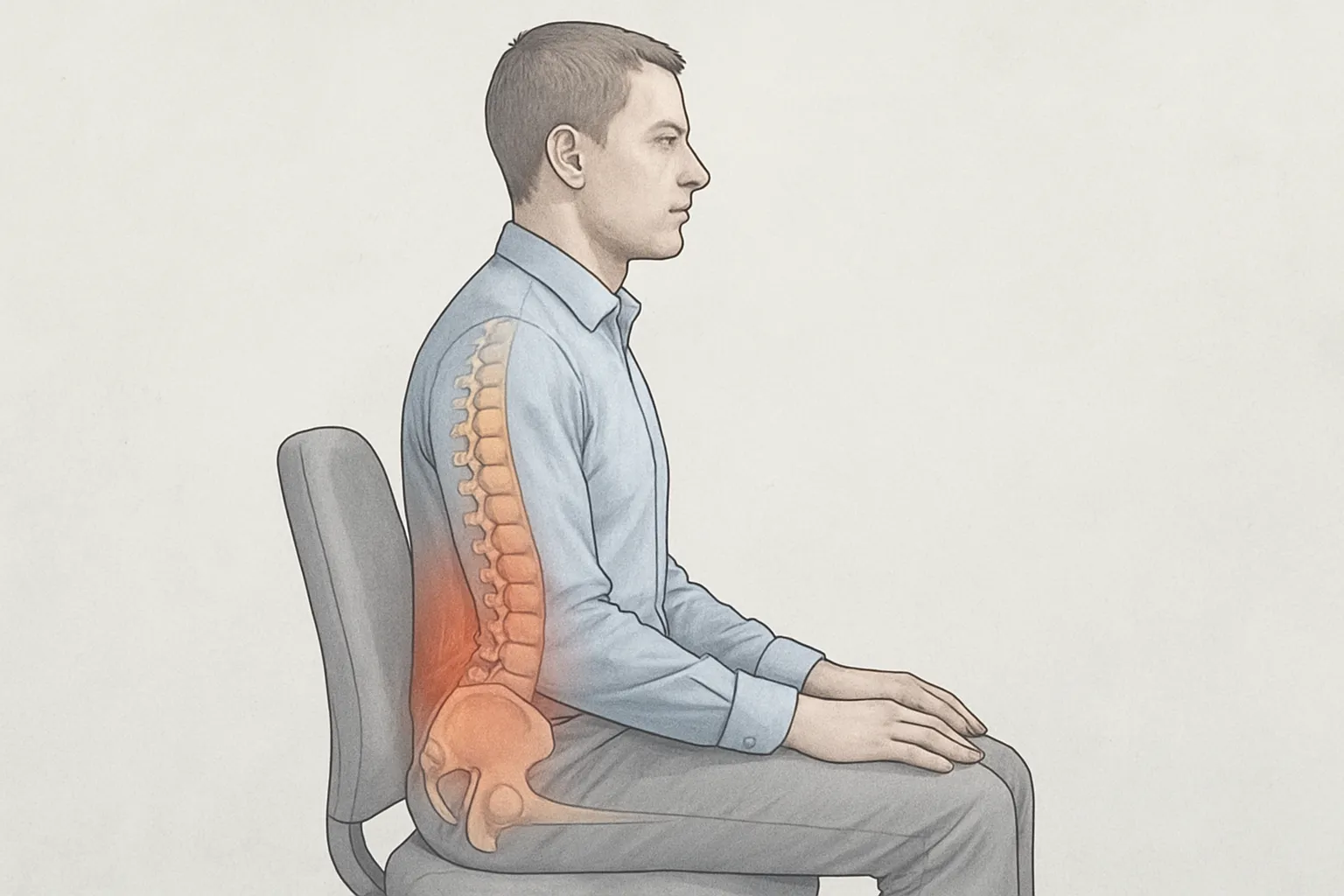
- Feeling of lumbopelvic instability, core fatigue or reduced control of effort.
Prudent care options
The approach usually focuses on reducing excessive loads and promoting progressive function: pain and rest hygiene; management of constipation through proper bowel habits and diet; diaphragmatic breathing coordinated with gentle activation of the pelvic floor and abdominal wall; submaximal Kegel-type contractions when well tolerated and without increasing pressure; ergonomic baby care and gradual distribution of effort; compatible lubricants if dryness is present; scar care with local measures after complete healing; and, in selected cases, external supports or pessaries fitted by qualified personnel. Warning signs to watch out for are severe and progressive pain, fever, abnormal bleeding, urinary retention, faecal incontinence persistent or loss of strength/feeling in lower limbs.
Lochia, menstruation and fertility: adaptations of the body during the postpartum period and variations considered commonplace
Lochia
The lochia are the physiological uterine secretion after childbirth and combine blood, decidual debris and mucus. They usually show a characteristic evolution: lochia rubra (red, more abundant) in the first days; serosa (pinkish-brownish) during the first week or two; and alba (whitish-yellowish) in the following weeks. It is common for the discharge to decrease progressively, with slight transient increases on rising, exertion or during lactation due to the oxytocic effect. In many people the total duration is around 2-6 weeks and small clots may be observed at the onset and a non-foul-smelling blood odour, all within variations considered normal.
Postpartum menstruation
The postpartum menstruation has a highly variable return. In those who do not breastfeed, it usually resumes in the first few months, while with frequent or exclusive breastfeeding it may be delayed for several months due to the effect of prolactin, and there is no single time frame applicable to all individuals. The first bleeding may be heavier or longer than before pregnancy, with possible clots, and cycles may be irregular for some time before stabilising; these oscillations, in the absence of other symptoms, are common in the process of endometrial and ovarian readaptation.
Postpartum fertility
The ovulation may recur unpredictably and, in some cases, occur before the first menstrual period. The fertility tends to be reduced in many people during lactation because of partial ovulatory inhibition, but it is not zero and does not behave the same in all bodies. In the first few months, signs of fertility (such as cervical mucus or thermal patterns) may be difficult to interpret because of postpartum hormonal instability, and it is common to observe irregular intervals between bleeds until ovarian cyclicity is restored.
Skin, hair and breasts: postpartum body adaptations and signs to watch out for
Skin
In the first weeks after childbirth, the first few weeks after birth are frequently hyperpigmentation (areolas, linea alba) and the melasma, which tend to gradually attenuate; the Stretch marks tend to clear up over time. Increased sweating, changes in sebum production with acne breakouts or dryness and mild itching may also occur. Signs to watch for: extensive, painful or feverish rashes; intense and persistent itching; lesions that bleed or change shape and colour; and signs of infection in wounds (caesarean section or episiotomy) such as progressive redness, warmth, increasing pain, purulent discharge or foul odour, or fever.
Hair
The telogen effluvium postpartum (diffuse hair loss that appears after 2-4 months) is frequent and usually subsides in 6-12 months. It is common to notice thinning at the temples and a greater amount of hair on the brush, without completely bald areas. Signs to watch out for: hair loss in well-defined patches, pain or reddening of the scalp, thinning that persists for more than 12 months and hair loss accompanied by symptoms compatible with postpartum thyroiditis (marked tiredness, palpitations, intolerance to cold or heat, marked changes in weight).
Mamas
Between the second and fifth day, the “milk surge” can occur with breast engorgement, The nipples may be tender and small nodules from transiently plugged ducts; nipples may be tender at the onset of lactation. Signs to watch out for: data from mastitis (fever, malaise, red, hot and painful area), possible abscess (fluctuating lump with local worsening), deep cracks with severe pain or bleeding, purulent or foul-smelling discharge, throbbing pain during or after feedings with shiny pink or scaly nipples, and lumps that do not change after voiding or increase in size.
Vaginal birth and caesarean section: differences in postpartum body adaptations and varying rates of recovery
Key physiological adaptations
After a vaginal delivery and caesarean section, the body activates common processes such as the uterine involution and the expulsion of lochia, with possible wrongs more noticeable in multiparous women. In vaginal birth, adaptation is focused on the pelvic floor and perineum: tears or episiotomy may cause local discomfort, transient changes in urination or transit, and a feeling of pelvic heaviness. At caesarean section, attention is directed at the scar abdominal and uterine, with pain The clinical relevance of wound surveillance and thromboembolic prevention is of clinical relevance.
The breastfeeding is initiated by hormonal mechanisms in both cases; a somewhat more variable onset may be observed after caesarean section due to factors such as surgical time, analgesia or lower initial mobility. Many analgesic regimens are considered compatible with breastfeeding, and frequent contact with the newborn usually favours a more stable production, although there is no single pattern for all mothers.
Variable recovery rates
There is no universal timetable for recovery after vaginal delivery or caesarean section. Functional evolution and comfort depend on many factors, and may fluctuate over days and weeks without necessarily implying a complication. The progression of mobility, Care of the wound or perineum and prudent pain management contribute to a more bearable recovery, avoiding exertion that increases discomfort.
- Duration and characteristics of labour, pushing and instrumentation.
- Extent of tears/episiotomy or complexity of surgery and bleeding.
- Pain and response to analgesia; sleep quality and burden of care.
- History of pelvic floor dysfunction or abdominal surgery.
- Nutritional status, anaemia, comorbidities and previous level of physical activity.
- Intercurrent events: infection, scarring problems or thrombosis.