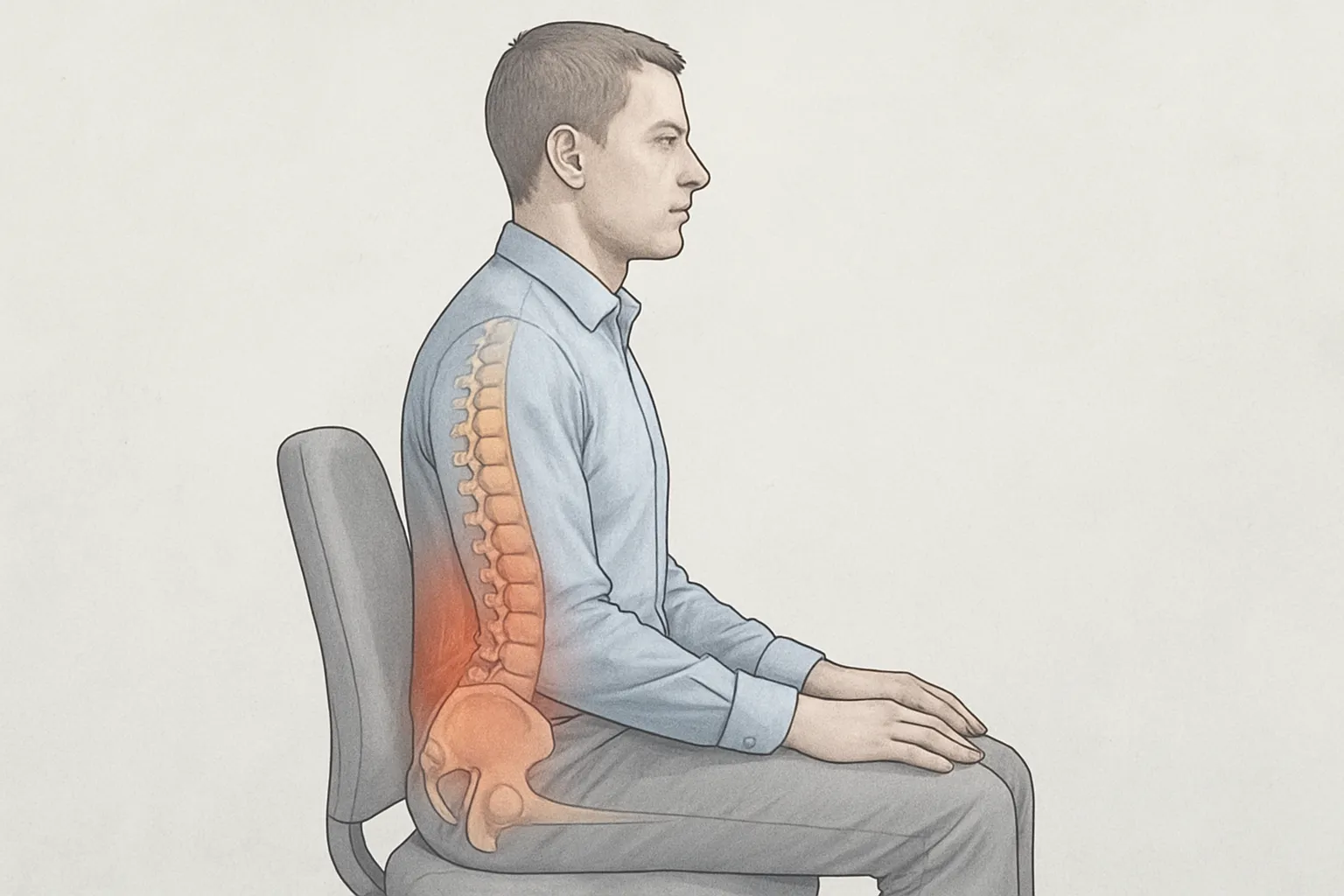
How to spot the signs of overexertion before an injury occurs: early physical warning signs you should pay attention to
Distinguishing between adaptation and overload
The body may exhibit adaptive difficulties following an increase in load (a diffuse sensation, often on both sides, which improves with movement) or signs of overload (more localised pain, which worsens and occurs earlier in the session). Cautionary warning signs include pain lasting more than 48–72 hours, prolonged morning stiffness, symptoms such as wake up in the night or localised tenderness on palpation. The following is also indicative: change in the temporal pattern of pain: whether it starts earlier each day or takes longer to subside after exercise.
Local signs to look out for
- Tendon: occasional pain at the start of the exercise, which reoccurs after the activity, possibly localised thickening and pressure sensitivity.
- Muscle: unilateral tightness, a sensation of a well-defined “tender spot” and a perceived loss of elasticity or explosive power.
- Joint: mild swelling, localised heat and clicking sensations accompanied by pain, particularly following repetitive movements.
- Bone stress: pain deep and localised which increases with impact or repeated strain and improves with relative rest; marked tenderness over the bone.
- Nerve/surrounding tissues: tingling, radiating pain or temporary loss of strength in specific movement patterns.
Functional indicators of overload
- Disproportionate fatigue for the same task, with a feeling of “heavy legs/soreness” that does not subside with a normal warm-up.
- Drop in performance with the same load (lower speed, power or range of motion) and the need for technical adjustments.
- New asymmetries when running, jumping or lifting (longer strides on one side, misalignments, subtle limps).
- Worsening of symptoms: the discomfort gets worse with each session, lasts longer or starts earlier during exercise.
- Systemic signs associated with poor recovery, such as non-restorative sleep or irritability, in combination with local symptoms.
How to distinguish between normal fatigue and potential overtraining: varying pain, morning stiffness and a drop in performance
A practical approach is to analyse the temporal pattern, the location and the response to rest. The normal tiredness is an expected reaction to the strain and usually resolves itself within a short time; the overload suggests tissue irritation or an imbalance between physical strain and recovery, with more persistent or specific symptoms.
Pain that varies
- Normal fatigue: diffuse muscle discomfort, often symmetrical, which improves with gentle movement and rest; it does not restrict everyday movements and gradually subsides.
- Possible overload: more localised or stabbing pain, which occurs at the start of or worsens during activity, and is reproduced by specific movements or on localised palpation; there may be pain at rest or at night, and increased sensitivity that persists.
Morning stiffness
- Normal fatigue: a slight feeling of tightness after exertion, which subsides within a few minutes when moving around.
- Possible overload: stiffness that lasts longer than usual, requires a prolonged “warm-up” period, or recurs after sitting; it may be accompanied by a sensation of swelling, localised warmth or a loss of range of motion.
Decline in performance
- Normal fatigue: occasional fluctuations attributable to factors such as sleep, stress, temperature or altitude; performance returns to normal once the workload is adjusted.
- Possible overload: a recurring and unexplained decline in pace, power or technique despite the same or lower perceived effort; an increasing need for breaks; and an unusually prolonged recovery time. When this pattern persists over several training sessions, it indicates an imbalance between training load and recovery, which should be carefully reassessed.
Risk factors contributing to overtraining in sport and work: volume, intensity, rest periods and stress
Overload occurs when mechanical and physiological demands exceed the fabric capacity and recovery systems. In sport and at work, the risk increases due to the interaction between volume, intensity, breaks y stress, particularly in the face of sudden changes, repetitive tasks or tight deadlines. The combination of these factors contributes to cumulative fatigue and impairs motor control, which may increase the likelihood of discomfort and overuse injuries.
- Volume: total hours, repetitions or kilometres. High exposure levels and sudden increases in weekly volume are associated with greater tissue stress and less time for adaptation, particularly during repetitive manual tasks or prolonged sessions.
- Intensity: speed, external load, impact or perceived exertion. High levels of these factors, poor technique or fatigue reduce the tolerance of tendons and joints; when combined with high training volumes, the risk increases.
- Breaks: breaks during the working day, recovery days and dream adequate. Insufficient recovery perpetuates fatigue and limits repair processes; long or night shifts are often associated with less effective recovery.
- Stress: psychosocial demands (time pressure, insecurity, conflicts) and competitive stress. These can increase basal muscle tone, alter the perception of exertion and pain, and impair sleep, thereby amplifying the effective workload.
These factors do not operate in isolation: peak loads Insufficient rest and sustained stress increase the likelihood of overuse. Common signs include pain that persists after activity, morning stiffness, loss of coordination or performance, and fatigue that does not resolve; their onset indicates an imbalance between workload and capacity, which should be redressed through gradual adjustments.
Self-assessment methods for monitoring workload and identifying warning signs: symptom diary, RPE, sleep and heart rate
Symptom diary: Keeping a daily record of pain (location and intensity), stiffness, fatigue, ability to cope with everyday tasks, mood and contextual factors (travel, heat, menstruation, changes to routine) provides an overview of the body’s response. The alerts The most useful ones are usually the patterns, rather than isolated readings: a gradual increase in discomfort without recovery, pain that forces a change in technique, or fatigue that interferes with everyday activities. Keeping descriptions brief and consistent helps you compare days and identify deviations from your own baseline.
RPE (perceived exertion): using a standardised scale at the end of each session allows you to compare how “hard” it felt with what was actually achieved. If the RPE rises steadily during routine workouts, this may indicate accumulated fatigue or a lack of recovery; if it falls sharply, this could reflect improved tolerance or under-training. For more reliable interpretations, always record under similar conditions (time of day, hydration, temperature) and bear in mind that pain, stress or certain medications may alter perception.
Dream: Recording the duration, perceived quality, number of times you wake up and the regularity of your sleep schedule helps to put the burden into context. Persistent changes to one’s usual pattern (fewer hours, more times waking up, a feeling of not having rested) are often accompanied by greater fatigue and poorer exercise tolerance. Recording naps, shifts or time zone changes provides additional information on recovery.
Heart rate: Measuring resting heart rate upon waking and observing its recovery following submaximal exertion provides a physiological indicator sensitive to overall stress. Sustained upward trends at rest or a slower-than-usual recovery may suggest accumulated stress or non-sporting factors (infections, dehydration, heat, altitude, caffeine, medication). Its usefulness increases when comparisons are always made within the same context and using a consistent measurement method.
When to seek a medical assessment if you notice possible signs of burnout, and what information to provide
Consider seeking medical advice if you experience symptoms consistent with musculoskeletal strain (pain, stiffness, a feeling of localised fatigue) which persist or worsen despite the reduction in activity, restrict normal functions (walking, climbing stairs, typing, lifting objects) or disrupt sleep. Also, if symptoms appear following a sudden change in load (more hours of training or physical exertion, prolonged postures, repetitive movements) or if episodes recur in the same area. Groups at higher risk (older people, pregnant women, those with chronic conditions, or those on anticoagulant or corticosteroid treatments) may require earlier assessment.
Seek medical attention as a matter of urgency if alarm signals: sudden-onset severe pain without any significant trauma, inability to carry weight or to use the limb, significant loss of strength, progressive numbness or tingling, severe swelling, redness or localised warmth, waking night pain recurring symptoms, accompanied by fever or general malaise, obvious deformity, or lumbar pain with changes in sensation in the perineal area or changes in bladder and bowel control.
Useful information for clinical assessment (please be as precise as possible):
- Onset and triggers: date, activity or associated movement; whether there has been a recent increase in the volume, intensity or frequency of the workload.
- Location and characteristics of the pain: exact location, type (sharp, dull), intensity (e.g. on a scale of 0–10), referred pain, morning stiffness and duration, clicking or instability.
- Time series: what makes it worse or better (rest, heat/cold, painkillers), how it varies with activity and rest, whether there is night pain.
- Functional impact: tasks that they are unable to perform or that are more difficult, the distance they can walk, typing time, and lifting everyday loads.
- Associated signs: swelling, redness, warmth, changes in sensation, tingling, loss of strength, limping.
- Recent load and ergonomics: hours of training or work, shifts, postures maintained, repetitive movements, changes of footwear or surface, and breaks taken.
- Medical history and medication: previous injuries in the area, medical conditions (e.g. diabetes, arthritis, thyroid disorders), medicines (corticosteroids, anticoagulants, statins), pregnancy.
- Recovery and habits: hours of sleep, perceived stress, hydration and basic nutrition.
- Preliminary documentation: reports, imaging or laboratory tests, and whether you use orthoses, insoles or assistive devices.
- Useful records: photographs of the area taken on different days, measurements of the circumference if there is oedema, and a brief diary of pain and activity.