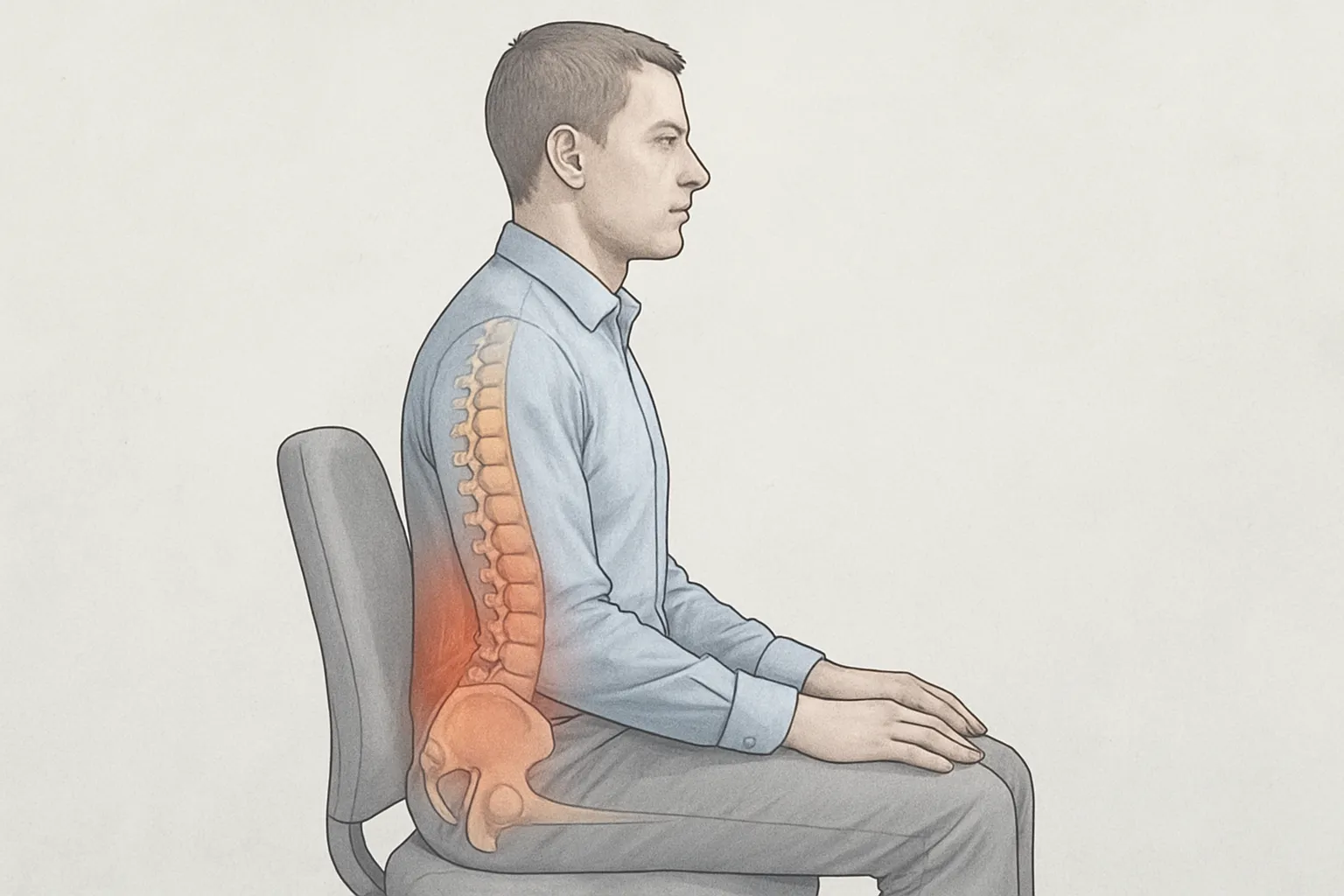
How physical stress affects recovery: key concepts and useful definitions
The physical stress describes the mechanical and metabolic demands that transiently disrupt the body's homeostasis. During recovery, the musculoskeletal, nervous, endocrine and immune systems adjust their function to restore balance. The size, duration y new The recovery time and the quality of the response are conditioned by the stimulus; these responses show inter-individual variability according to health status, activity history and previous rest.
Useful concepts and definitions
- Mechanical stress: forces applied to tissues (tension, compression, shear) that trigger mechanotransduction and reversible microdamage.
- External load: work performed (intensity, volume, density, complexity of the gesture) measurable by repetitions, weight, distance or time.
- Internal loadphysiological and perceptual response to exertion (heart rate, ventilation, temperature, perception of exertion).
- Peripheral fatigueTransient decrease in contractile capacity due to local factors (availability of substrates, excitation-contraction coupling).
- Central fatigueThe following symptoms: reduction of the motor impulse from the central nervous system and changes in the autonomic sympathetic-parasympathetic balance.
- Acute inflammationimmune response that participates in tissue repair and may increase sensitivity and recovery time.
- Recovery windowperiod in which repair and readjustment processes predominate; additional load in this phase can prolong fatigue.
- Supercompensationtransient increase in capacity above basal level after sufficient recovery; its occurrence and magnitude are not uniform.
In practical terms, greater intensity y volume are often associated with longer recovery times; the density (short breaks between efforts) increases the cardiovascular and metabolic load; and the novelty of the stimulus (unusual gestures) adds neuromotor demand. Concurrent non-physical factors, such as insufficient sleep, low energy availability or intercurrent processes, may delay restoration of functional balance. Cumulative incomplete recovery may be associated with functional overload and transient decrements in performance.
As a guide, changes such as non-limiting late-onset muscle soreness versus persistent localised pain, stiffness or loss of range, decreases in submaximal strength or speed, and alterations in basal autonomic variables (e.g. resting heart rate) may be observed. These signs describe the state of recovery, but their interpretation must consider the individual context and is not a substitute for clinical assessment when there are worrisome symptoms.
Physiological mechanisms: how physical stress can modulate hormones, inflammation and tissue repair
Hormone modulation
Physical stress activates the HPA axis and the sympathetic nervous system, with transitional increases of cortisol y catecholamines which facilitate the mobilisation of substrates and the regulation of vascular tone. Depending on the intensity, duration and basal state of the individual, pulses of growth hormone, IGF-1 and androgen variations may also be observed. Active muscle releases myokines which act endocrine and paracrine, influencing communication with the liver, adipose tissue and immune system. These responses are dose- and context-dependent: acute exposures are usually adaptive, whereas excessive or sustained loads can alter hormonal rhythmicity and anabolic-catabolic balance.
Inflammation and immune signalling
Mechanical loading and sterile tissue damage trigger a controlled inflammatory response involving neutrophils and macrophages, modulated by pathways including NF-κB and lipid mediators. Muscle-derived IL-6 may play a dual role, initiating the response and promoting its resolution along with regulatory cytokines such as IL-10. Stimulus magnitude and duration often follow a U-shaped relationship: moderate stimuli tend to promote transient and organised inflammation, while repeated overload can prolong activation and alter resolution. This pattern is consistent with the hormesis, understood as dose-dependent adaptation, without implying universal benefits.
Tissue repair and mechanotransduction
The mechanotransduction converts physical forces into biochemical signals via integrins, stretch-sensitive ion channels and the cytoskeleton, activating pathways such as mTOR/ AMPK and MAPK. In muscle and connective tissue, this signalling coordinates the activation of satellite cells and fibroblasts, collagen synthesis and remodelling (MMP/TIMP), and angiogenesis mediated by factors such as VEGF. The rigidity and organisation of the extracellular matrix feed back on these responses, conditioning the quality of the repaired tissue. Individual variables (biological age, comorbidities, nutrition and sleep) can modify these processes, so the response is neither uniform nor predictable in all cases.
Signs that could indicate slower recovery from physical stress
A slowed recovery may be manifested by physiological changes that are beyond what is expected for the effort made. Signs to watch for include:
- Disproportionate fatigue that persists longer than usual (e.g. beyond 24-72 hours) depending on one's level of activity.
- Muscle pain that won't go away, prolonged morning stiffness or persistent feeling of heaviness in involved muscle groups.
- Resting heart rate higher than average, or palpitations with mild exertion.
- Dream non-repairing, with frequent awakenings or difficulty falling asleep, with no other clear explanatory changes.
In performance and neuromuscular function, slowed recovery may be reflected in:
- Decrease in usual performance (fewer repetitions, lower load, loss of speed or technique) to known stimuli.
- Increased perceived effort for tasks that were previously comfortable.
- Need for longer intervals to recover between sets or sessions to reach previous levels.
- Motor clumsiness or increased technical errors not present under ordinary conditions.
Behavioural or vegetative changes accompanying the accumulated physical stress may also be observed:
- Changes in the state of mind (irritability, apathy) or decreased motivation to exercise.
- Alterations in appetite or thirst with no obvious cause.
- Mild gastrointestinal discomfort (e.g. heaviness or nausea after exertion) that did not occur before.
- In women, variations of the menstrual cycle from the usual pattern, requiring individual and cautious interpretation.
Individual factors influencing the impact of physical stress on recovery (age, sleep, nutrition and load)
Age and training load
Age y upload significantly modulate the response to physical stress. With ageing, changes in tissue remodelling, anabolic sensitivity and the presence of comorbidities or drugs that may modify the inflammatory and autonomic response are often observed, associated with potentially longer recovery times. At younger ages, greater neuromuscular plasticity may be accompanied by more agile recoveries, although intense and closely spaced exposures may also accumulate fatigue. The external load (volume, intensity, density and complexity) and the internal load (physiological response and perceived exertion) condition the impact: abrupt increases or high monotony tend to increase stress, while a gradual and individualised progression based on history and physical condition is considered a prudent practice.
Dream
The dream The appropriate workload is related to processes of neuroendocrine regulation, autonomic balance, motor consolidation and modulation of inflammation, all of which are relevant for recovery after exertion. Time restrictions, irregular hours or shift work are often associated with increased perceived fatigue, changes in pain perception and fluctuations in subsequent performance. Factors such as stress, late caffeine consumption, prolonged use of screens or heavy nocturnal exercise may interfere with sleep quality; in the presence of sleep disturbances, recovery may require load adjustments and clinical monitoring.
Nutrition and hydration
The nutrition influences substrate replenishment and tissue remodelling. Insufficient energy availability can slow recovery. Proteins provide amino acids for muscle tissue; carbohydrates help restore glycogen; and fats are involved in hormonal and anti-inflammatory functions. The hydration and electrolytes support the maintenance of plasma volume and neuromuscular function. Requirements vary according to age, sex, body composition, type and intensity of exertion and clinical context; in case of suspected deficiencies (e.g. iron or vitamin D), professional assessment helps to guide safe adjustments.
Prudent strategies for managing physical stress and promoting gradual recovery
A prudent strategy for managing the physical stress starts with the self-regulation and the dosing of the load. Adjusting volume, intensity and frequency based on cues such as perceived exertion, pain that changes with movement, morning stiffness, cumulative fatigue and sleep quality can help prevent overload. Simple recording (e.g. training diary and effort scale) makes it easier to detect patterns and make early adjustments.
The gradual progression relies on small, verifiable changes: modest increases in load, alternating demanding and light sessions and planned unloading periods. The body's response (performance, feeling of recovery between sessions, appetite and mood) guides the pace of progress. If a modification causes persistent discomfort or disproportionate fatigue, the demand should be temporarily reduced and the stimulus re-evaluated.
The rest and sleep are key components: regular schedules, a supportive sleep environment and short breaks between blocks of activity can promote recovery. Simple interventions such as diaphragmatic breathing, soft mobility and walking at a comfortable pace are often well tolerated and can modulate tension without adding significant burden. Means such as heat/cold, compression or massage may provide transient relief in some people; the response is individual and their use should be guided by tolerance and function, not just immediate sensation.
A base of nutrition and hydration Adequate energy intake, protein spread throughout the day and fluids commensurate with losses help maintain performance and tissue repair. Moderation of alcohol and prioritisation of nutritionally dense foods promote a more stable physiological environment. Simplifying other stressors (e.g. organising the day and spacing out intense demands) can also help to avoid adding burdens that hinder adaptation.