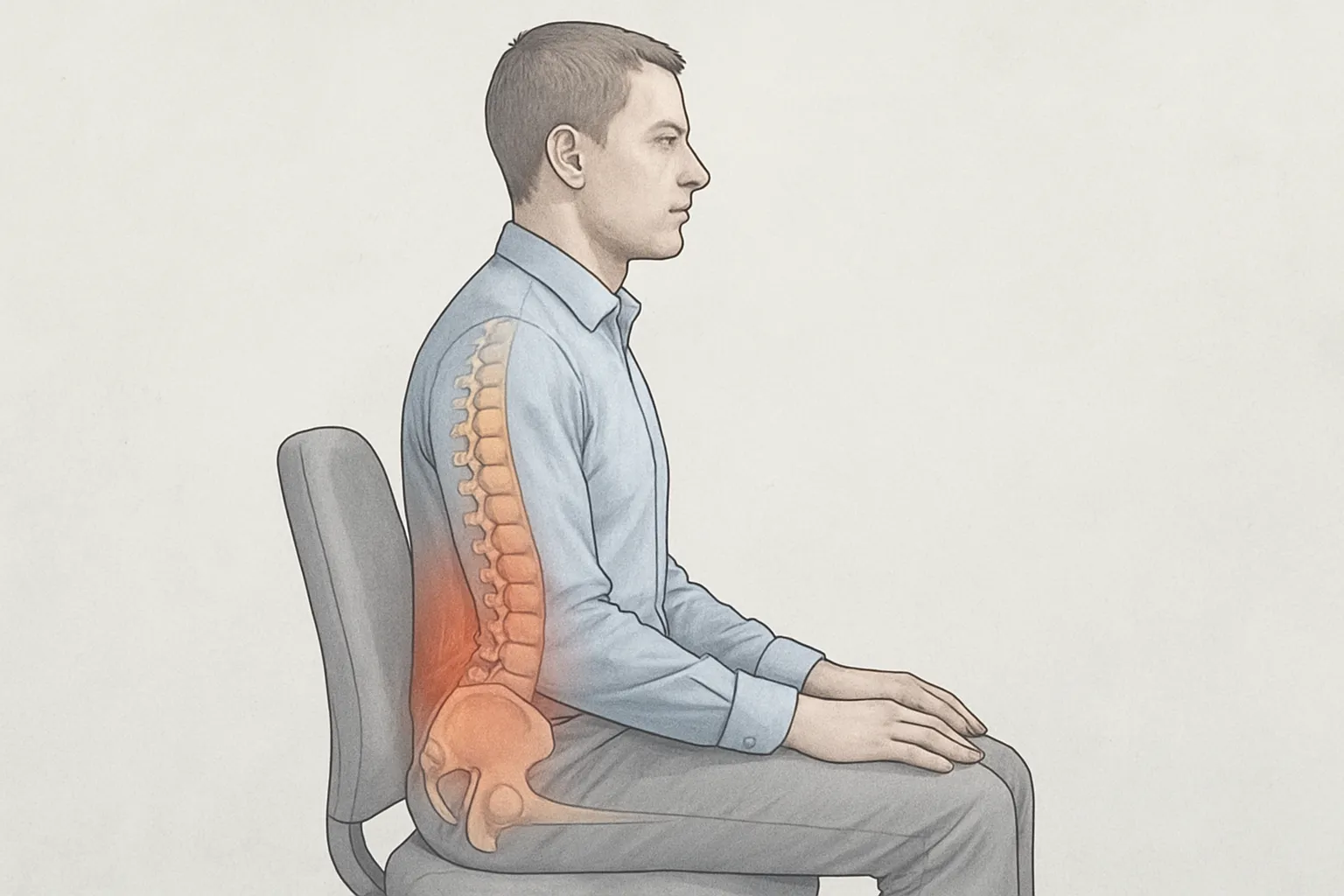
Sleep and the circadian rhythm: how sleep schedules and sleep quality relate to the nervous system
The circadian rhythm is a biological timing system that coordinates the activity of the nervous system with 24-hour cycles. Its central pacemaker, the suprachiasmatic nucleus of the hypothalamus; it is synchronised mainly by light received from retinal cells containing melanopsin and regulates signals such as the melatonin and cortisol. Aligning sleep schedules and light exposure with this rhythm promotes a stable temporal organisation of neural functions (attention, alertness, sensorimotor coordination), whilst desynchronisation (e.g. shift work, jet lag, intense night-time light) is associated with variations in the tone of the autonomic nervous system, increased daytime sleepiness and fluctuations in cognitive performance.
Mechanisms and architecture of sleep
The onset and maintenance of sleep result from the interaction between the circadian signal and the homeostatic sleep pressure, which increases as the hours of wakefulness pass. Normal sleep architecture alternates between phases NREM (including the slow-wave stage) and REM, each with specific patterns of cortical, thalamic and autonomic activity. During NREM sleep, sensory reactivity decreases and cortical networks stabilise; during REM sleep, patterns emerge that facilitate the integration of information and emotional regulation. Changes in the proportion or continuity of these stages — due to fragmentation, irregular sleep schedules or environmental stimuli — can alter neuronal excitability, synaptic efficiency and nocturnal autonomic stability.
The quality of sleep is assessed on the basis of its continuity, efficiency, time to fall asleep and the number of awakenings, together with the subjective perception of recovery. Consistent sleep schedules, exposure to daylight at appropriate times, and a dark, quiet environment at night tend to maintain a robust circadian rhythm and a more stable sleep architecture; conversely, frequent changes to one’s schedule, prolonged late-afternoon naps, the consumption of stimulants close to bedtime, or the use of devices emitting blue light before sleep are associated with circadian misalignment and less consolidated sleep. These adjustments do not guarantee therapeutic effects, but they illustrate known physiological relationships between sleep timing, sleep quality and nervous system function.
Dietary habits and the nervous system: key nutrients and dietary patterns associated with neuronal function
Key nutrients for neuronal function
The functioning of the nervous system depends on an adequate supply of omega-3 (DHA/EPA), which play a role in membrane structure and synaptic signalling; B vitamins (B1, B6, folate and B12), which are necessary for energy metabolism and the synthesis of neurotransmitters; and hill, which is involved in the formation of acetylcholine and in myelination processes. Also relevant are the iron (transport of oxygen and myelin), zinc y magnesium (synaptic modulation), as well as antioxidants dietary components (such as vitamin E, vitamin C and polyphenolic compounds) that help to counteract oxidative stress. Precursor amino acids such as tryptophan and tyrosine are involved in the synthesis of serotonin and catecholamines, and the prebiotic fibre It helps to maintain the balance of the microbiota, a component of the gut-brain axis that is the subject of increasing research.
Dietary patterns associated with neuronal function
Dietary patterns characterised by a high proportion of plant-based foods, unsaturated fats and fish — such as the Mediterranean diet or similar approaches — have been linked in the scientific literature to favourable markers of brain health, including reduced low-grade inflammation and an improved antioxidant profile. In contrast, a diet predominantly consisting of ultra-processed, added sugars and trans fats are often associated with greater glycaemic variability and oxidative stress, factors which can affect neurotransmission and synaptic plasticity. Proper planning of plant-based diets can meet nutritional requirements, with particular attention paid to vitamin B12, iodine, iron and long-chain omega-3s.
A clinical and prudent approach to dietary habits
Regular meals and a combination of low-glycaemic-index carbohydrates with sources of protein and unsaturated fats promote a more stable energy supply to the nervous tissue. The hydration a balanced diet and moderate consumption of caffeine They help to prevent unwanted effects on sleep or anxiety. When it comes to fish, it is usually recommended to vary the types of fish consumed and to prioritise those with lower levels of methylmercury; if alcohol is consumed, it should be done so in moderation and in line with local guidelines. Requirements may vary according to age, life stage and clinical conditions; therefore, personalised advice and screening for potential deficiencies (for example, vitamin B12 in vegan diets) are standard considerations in clinical practice.
Everyday stress and the autonomic nervous system: daily practices that could help improve regulation
The autonomic nervous system (SNA) coordinates activation responses (friendly) and rest/recovery (parasympathetic). Sustained everyday stress can tip the balance towards greater arousal, with increased muscle tension, a higher heart rate and a reduced sense of calm. In clinical practice, the aim is to promote a flexible regulation of the ANS goes beyond simply “relieving stress”, taking into account individual differences and any health conditions that may influence the response.
Everyday habits that are generally associated with better self-regulation of the ANS:
- Consistent sleep: regular working hours and sufficient rest periods; exposure to morning light and limiting exposure to bright light at night can help regulate the circadian rhythm.
- Moderate physical activity: daily physical activity (e.g. walking, active breaks) and exercise tailored to one’s tolerance; avoid overexertion that disrupts sleep or increases persistent fatigue.
- Regular meals: well-spaced and nutritious meals; avoid prolonged fasting if this causes symptoms (tremors, irritability); ensure adequate hydration to prevent dehydration-induced tachycardia.
- Stimulants and alcohol in moderation: adjust caffeine intake according to individual sensitivity and avoid it if it interferes with rest; alcohol can disrupt sleep and does not usually promote autonomic recovery.
- Organising one’s daily workload: alternating cognitive demands with short breaks to limit the build-up of sympathetic arousal throughout the day.
Low-effort self-regulation strategies that some people find useful in their day-to-day lives:
- Slow diaphragmatic breathing (4–6 breaths per minute) with slightly longer exhalations; a brief session (5–10 minutes) during times of stress may be associated with increased parasympathetic tone. Stop if you feel dizzy or unwell.
- Progressive muscle relaxation or a short body scan to relieve accumulated somatic tension.
- Sensory micro-breaks: visual breaks (the 20-20-20 rule), exposure to daylight or natural surroundings where possible.
- Attention hygiene: single-tasking when sustained effort is required, managing notifications and ensuring clear transitions between tasks to reduce overstimulation.
- Bonds perceived as secure: brief, high-quality social interactions may be associated with a greater sense of autonomic calm in many people.
Daily physical activity and a sedentary lifestyle: the relationship between regular exercise and the plasticity and health of the nervous system
The accumulation of daily movement and the reduction in the sedentary lifestyle are associated with a more favourable biological environment for the neural plasticity. Intense exercise is not essential: walking, climbing stairs or carrying out active tasks throughout the day can help to keep motor and cognitive circuits more adaptable. Conversely, spending many hours sitting without breaks is linked to a less efficient cerebrovascular and metabolic profile, which can hinder learning processes, motor control and emotional regulation.
Physiological mechanisms involved
- Modulation of the cerebral blood flow and endothelial function, promoting oxygen supply and the elimination of metabolites.
- Signage for neurotrophic factors (such as BDNF), which is linked to synaptogenesis and the maintenance of neural networks.
- Neuroimmune and metabolic regulation: improved insulin sensitivity and reduced systemic inflammatory burden, with an impact on nervous tissue.
- Stress–sleep balance: the regular exercise It can help regulate the stress response and the quality of sleep, both of which are linked to synaptic consolidation.
The sedentary lifestyle Prolonged inactivity is associated with endothelial dysfunction, poorer glycaemic control and increased levels of inflammatory markers – factors that have been linked to reduced functional plasticity and greater vulnerability of the nervous system over time. Breaking up periods of inactivity with short active breaks and combining aerobic activity with strength, balance and coordination exercises is generally considered a sensible strategy for maintaining brain health; intensity and volume should be tailored to age, fitness level and any underlying neurological or cardiovascular conditions, ensuring a gradual progression and remaining alert to warning signs.
Caffeine, alcohol and nicotine consumption: how these habits can influence the activity of the nervous system
Caffeine
Caffeine acts primarily as adenosine receptor antagonist, reducing feelings of tiredness and promoting alertness. In the short term, it may increase the sympathetic activation (e.g. a feeling of alertness, a racing pulse) and, in susceptible individuals, trigger anxiety, nervousness or tremors. Consuming it close to bedtime may interfere with the onset and continuity of sleep. With repeated use, the following may develop: tolerance some effects and possible symptoms of abstinence (such as headaches, fatigue and irritability) if it is stopped abruptly.
Alcohol
Alcohol is a central nervous system depressant which enhances GABAergic transmission and inhibits glutamatergic transmission, thereby modulating neuronal excitability. In the short term, it can cause disinhibition, sedation and impaired reflexes and coordination; although it may help one fall asleep, it tends to fragment sleep and reduce its quality. Repeated use induces neurochemical adaptations with tolerance and the risk of abstinence when it is interrupted, which may be accompanied by hyperexcitability (tremors, insomnia, irritability and, in severe cases, convulsions).
Nicotine
Nicotine stimulates nicotinic acetylcholine receptors, increasing the release of dopamine, noradrenaline and other neurotransmitters. This can produce a temporary feeling of alertness and reduced appetite, along with increased sympathetic tone (e.g. elevated heart rate). Its effect is biphasic: the initial stimulation may be followed by receptor desensitisation and a perceived sense of calm. Continued use leads to high dependence and possible withdrawal symptoms such as irritability, restlessness and difficulty concentrating; it can also disrupt sleep patterns.
Dosage and combination considerations
The modulation of the nervous system by these substances depends on the dose, frequency of consumption and the individual vulnerability (e.g. a history of anxiety, sleep disorders or sensitivity to stimulants). Concomitant use can alter the perception of effects: caffeine may attenuate the perceived sedative effects of alcohol without reversing its psychomotor impairment, whilst alcohol and nicotine tend to mutually enhance each other’s reinforcing effects. These interactions may intensify the activation or depression of the nervous system and make it more difficult to self-regulate consumption.