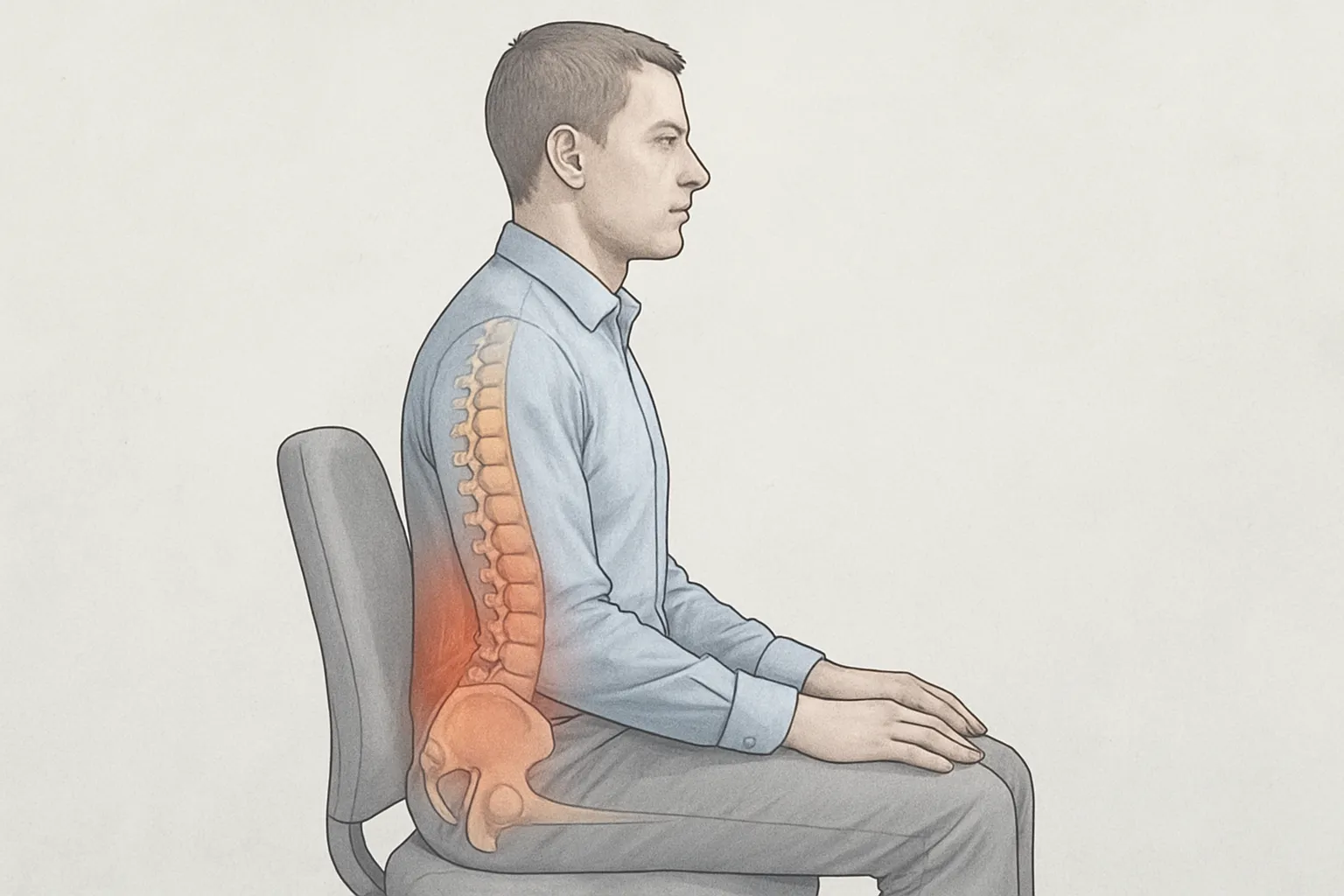
When chiropractic treatment is indicated and when it is not: indicative clinical criteria by type of back and neck pain
Prudent guidelines by type of pain
- Non-specific mechanical lower back pain (acute or subacute, with no red flags): this may be managed using a conservative approach involving education, exercise and mobilisation or manipulation techniques selected according to the patient’s tolerance.
- Chronic non-specific lower back pain: an option to be considered as part of a multimodal plan focusing on progressive physical activity and self-care strategies; non-invasive techniques should be preferred for older people or those with comorbidities.
- Axial mechanical neck pain (no radiation exposure or neurological symptoms): low-amplitude mobilisation and soft-tissue work may be prioritised, taking particular care to avoid vascular risk factors.
- Mild lumbar radiculopathy on suspicion of slipped disc without progressive deficit: conservative management with pain control, education and, in selected cases, non-forceful techniques; frequent clinical reassessment.
- Musculoskeletal chest pain y myofascial pain: prioritise gentle interventions and specific exercises, avoiding high-speed manoeuvres if there is a structural risk.
When it is not recommended or should be avoided
- Progressive neurological deficits, cervical myelopathy, cauda equina syndrome or severe neurogenic claudication: these require urgent medical assessment.
- Bone instability or fragility: severe osteoporosis, recent fracture or acute compression fracture, spondylolisthesis/segmental instability, bone tumour, vertebral infection.
- Risk of bleeding: coagulopathy o anticoagulation uncontrolled; avoid high-speed and rotational movements, particularly of the neck.
- Cervical vascular pathology known or suspected (e.g., vertebral artery dissection) or stroke Recent: do not perform cervical procedures.
- Severe spinal stenosis with neurological involvement, recent spinal surgery o fusion Not consolidated: not indicated until a specialist assessment has been carried out.
- Connective tissue disorders with instability (e.g., Hypermobile Ehlers-Danlos syndrome, Marfan): avoid high-speed operations.
- Pregnancy with complications or severe unexplained pelvic pain: exercise extreme caution; do not perform high-speed/rotational techniques.
Warning signs that require prior medical assessment
- Major trauma, persistent night-time pain or unexplained worsening of symptoms.
- Fever, chills, weight loss unintentional, history of cancer or intravenous drug use.
- Sphincter disturbances, saddle anaesthesia, marked weakness or progressive hypoaesthesia.
- Sudden and severe neck pain with atypical headache, dizziness, dysarthria, diplopia or other acute neurological signs.
Warning signs (red flags) that make chiropractic spinal manipulation inadvisable and require medical assessment
Neurological deficit or signs of compression
- Progressive neurological deficits: weakness, loss of sensation or reflexes that are getting worse.
- Cauda equina syndrome: “saddle” anaesthesia, sphincter dysfunction (retention/incontinence) or bilateral weakness in the lower limbs.
- Cervical myelopathy: clumsiness in the hands, gait disturbance, hyperreflexia, spasticity or pyramidal signs.
- Persistent severe pain at rest or at night, associated with any of the above signs.
Suspected trauma, infection or neoplasm
- Significant trauma recently, fracture known or suspected, or spinal instability.
- Spinal infection (e.g. spondylodiscitis): fever, chills, persistent axial pain, elevated inflammatory markers, risk factors such as immunosuppression or intravenous drug use.
- Neoplasm vertebral/metastatic: unexplained weight loss, a history of cancer, progressive night-time pain or localised bone pain.
- Prolonged use of corticosteroids or severe osteoporosis which increases the risk of fragility fractures.
Vascular risk and other conditions that increase the likelihood of complications
- Cervical arterial dissection or suspected acute neurological event: neck pain or sudden, severe headache, vertigo, diplopia, dysarthria, ataxia or focal deficit.
- Coagulation disorders, therapeutic anticoagulation or known vascular malformations.
- Atlantoaxial instability (e.g. rheumatoid arthritis, Down’s syndrome) and connective tissue disorders with laxity/fragility (e.g. Ehlers-Danlos, Marfan).
- Recent spinal surgery, arthrodesis, unstable spondylolisthesis or unspecified post-operative pain.
Current scientific evidence: in which cases does chiropractic show limited benefits, and in which cases is there insufficient evidence to support its use?
Cases involving limited benefits according to the evidence
The available literature suggests modest and, in general, short-lived effects for certain specific musculoskeletal conditions. These results are generally comparable to those of other conservative treatments and may be more consistent when incorporated into a multimodal approach (e.g. therapeutic exercise and education), without replacing appropriate clinical assessments or other indicated care.
- Acute or subacute non-specific mechanical low back pain: possible minor improvements in pain and function in the short term compared with no intervention or a placebo.
- Chronic non-specific low back pain: modest and variable relief, with uncertainty as to whether the effects will be sustained unless accompanied by active strategies.
- Mechanical neck pain and cervicogenic headache: some patients report modest and temporary reductions in pain or frequency; the response varies and requires individual assessment.
Areas with insufficient support or unproven
There is no solid evidence to support the effectiveness of spinal manipulation in treating non-musculoskeletal conditions nor for general health objectives. The evidence is also inconsistent or limited in complex conditions where central sensitisation or non-mechanical components of pain predominate.
- Non-musculoskeletal disorders: asthma, high blood pressure, diabetes, infertility, infections, functional digestive disorders and immune disorders.
- Paediatric population in conditions such as infant colic, otitis media or enuresis: inconclusive or negative results.
- Generalised chronic pain (e.g. fibromyalgia) and syndromes involving central sensitisation: efficacy not established.
- Preventive or “overall improvement” objectives” (e.g. boosting the immune system, general well-being): no convincing evidence.
Situations in which physiotherapy, therapeutic exercise or medical management may be preferable to chiropractic treatment
Conditions in which medical management is usually prioritised
- Signs of RED FLAGS: fever or generalised malaise with axial pain, a history of cancer, unexplained weight loss, use of immunosuppressive drugs or intravenous drug use.
- Acute trauma suspected of fracture o instability spinal; recent-onset thoracic or dorsal pain with atypical characteristics.
- Progressive neurological deficits, cauda equina syndrome (sphincter dysfunction, saddle anaesthesia), signs of myelopathy or radiculopathy with significant loss of strength.
- Suspicion of infection bone/disc, tumour or spinal metastases.
- Data suggesting vertebrobasilar insufficiency o cervical arterial dissection (dizziness, diplopia, dysarthria, sudden severe headache) and headaches with a “thunderclap” onset.
- Severe osteoporosis or marked bone fragility; treatment with anticoagulants and a high risk of bleeding.
- Atlantoaxial instability (e.g. in rheumatoid arthritis) or other cervical ligament disorders.
- Post-operative for early-stage spinal conditions or in cases of uncharacterised post-operative pain.
Situations in which physiotherapy and therapeutic exercise may be the preferred option
- Subacute or chronic musculoskeletal pain without red flags, where a specific approach is prioritised asset through empowerment, mobility and education.
- Hyperlaxity or connective tissue disorders (e.g. Ehlers-Danlos syndrome), in which the stabilisation and motor control are usually the main areas of focus.
- Cases of persistent pain with possible central awareness, which are best addressed through programmes involving graded activity and progressive exposure to movement.
- Functional recovery following soft tissue injuries (sprains, tendinopathies) and shoulder/knee pain, where carefully tailored exercise facilitates gradual rehabilitation.
- Recurrent neck pain or lower back pain, where the aim is to reduce recurrences by strength and endurance training and self-care strategies.
- The initial stages following an acute injury involving inflammation or severe pain, during which low-impact techniques and gradual progression may be preferred over high-speed movements.
Precautions and relative contraindications for chiropractic treatment: pregnancy, osteoporosis, anticoagulants, herniated disc with neurological deficit, and recent surgery
In these clinical situations, chiropractic treatment must be tailored to the individual following a detailed preliminary assessment (medical history, neurological and orthopaedic examination) and the appropriate adjustment of techniques. The priority is to minimise mechanical risks to vulnerable tissues, avoiding high-velocity thrust manoeuvres when tissue integrity is uncertain, and setting out realistic expectations and informed consent.
- Pregnancy: ligamentous laxity and haemodynamic changes mean that abdominal pressure, a deeply prone position and high-speed handling (HVLA) lumbopelvic mobilisation in cases of pelvic pain or instability. Safe positions (lateral recumbency, cushions) and low-load techniques are preferable, whilst monitoring for symptoms such as supine hypotension or dizziness.
- Osteoporosis: bone fragility increases the risk of fracture; axial/rotational HVLA manoeuvres are not recommended. Gentle mobilisation and non-provocative exercises are prioritised. Suspected vertebral fracture In cases of severe osteoporosis, the affected area should not be manipulated.
- Anticoagulants: increased risk of bruising and bleeding in deep tissues. Avoid high-speed thrusts and sustained intense pressure; exercise caution with deep myofascial techniques. Monitor for extensive bruising, disproportionate paravertebral pain or signs of bleeding.
- Disc herniation with neurological deficit: before motor deficit, marked sensory or reflex abnormalities; thrust manipulation at the affected level is high-risk and constitutes at least a relative contraindication; if the deficit is progressive If there is sphincter dysfunction or saddle anaesthesia, this is considered an emergency and manipulation is contraindicated.
- Recent surgery: During the healing process, avoid intense traction or rotation and any manipulation of the operated area. Do not manipulate segments with arthrodesis/instrumentation. Work in adjacent areas must be carried out gently and in accordance with post-operative guidelines and restrictions.
The following are considered warning signs that indicate treatment should not be carried out and require urgent medical assessment: progressive neurological deficit, lower back pain accompanied by a fever or a history of infection, pain following significant trauma, suspected fracture, saddle anaesthesia or sphincter dysfunction, and active bleeding or an expanding haematoma in patients on anticoagulants. Interprofessional coordination and the conservative selection of techniques help to reduce risks in these scenarios.