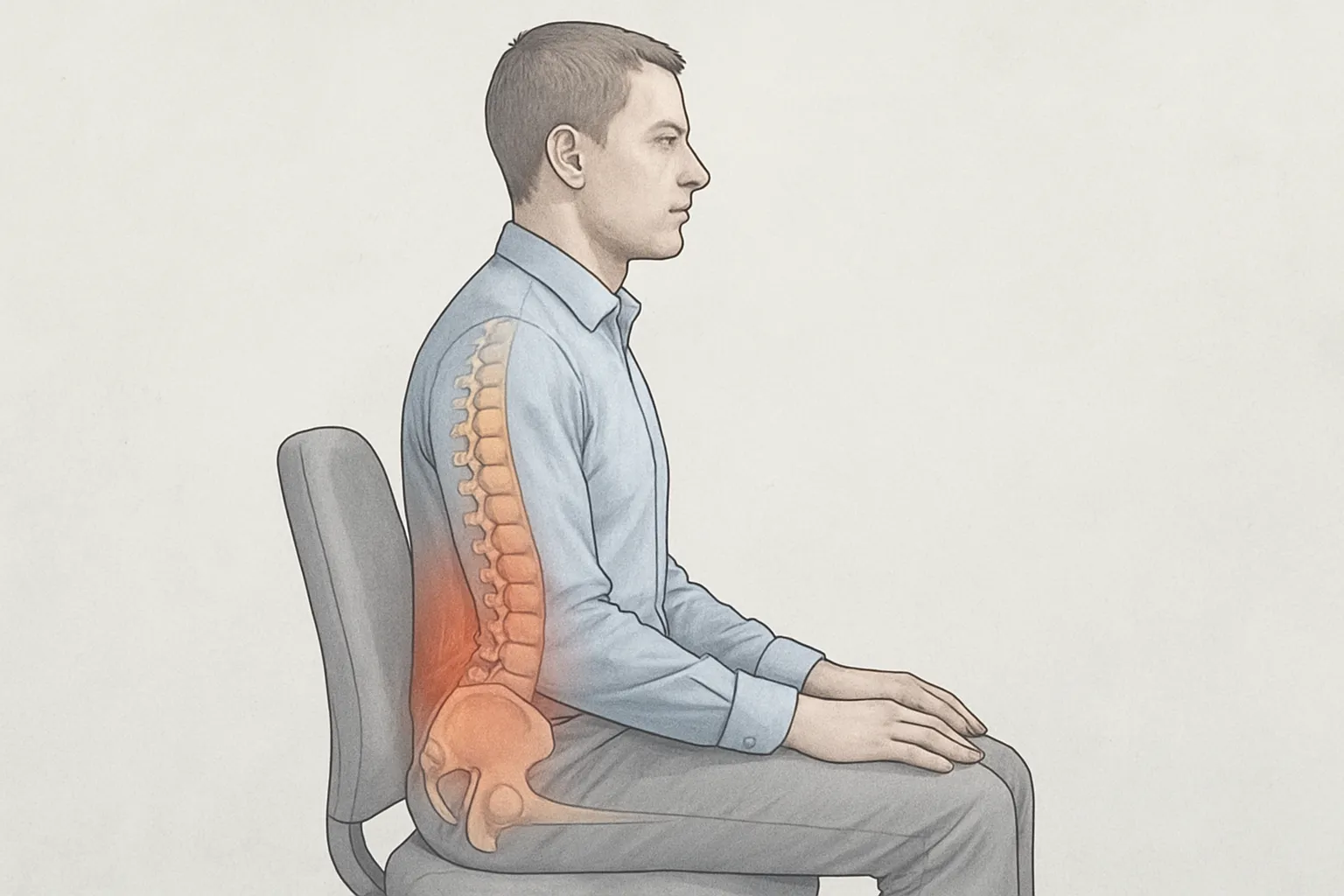
The difference between acute pain and persistent pain from a neuroscientific perspective: clinical definitions and indicative timeframes
Clinical definitions and indicative timeframes
In clinical practice, the acute pain It is understood to be a nociceptive response to actual or potential tissue damage, serving a protective function and of limited duration; it usually resolves as healing progresses, within a matter of hours, days or a few weeks. The persistent pain (also known as chronic) describes pain that persists beyond the usual time taken for tissue repair; as a rough guide, many guidelines use the threshold of ≥3 months (some extend this to 3–6 months). These approximate times These are approximate figures and may vary depending on the patient’s tissue, condition and medical history.
A neuroscientific perspective
From the perspective of neuroscience, the acute pain It is associated with the activation of nociceptors and transient peripheral sensitisation, with spinal and cerebral integration that prioritises protection. In the persistent pain processing changes may persist: sustained peripheral sensitisation, central awareness (increased excitability in the dorsal medulla and suprasegmental networks), and adjustments to the downward modulation (reduced inhibition or increased pain facilitation). Cognitive, emotional and learning factors can influence the system’s gain without requiring active tissue damage.
Clinical clues to help distinguish between them
- Acute pain: a more proportional relationship with the injury, a relatively well-defined location, a predictable course, and improvement in line with tissue healing.
- Persistent pain: persistence beyond the expected healing period (≈≥3 months), reduced stimulus-response proportionality, possible allodynia e hyperalgesia, daily fluctuations and a greater influence of sleep, stress and context.
It is possible for acute and persistent mechanisms to coexist; the definitive distinction is based on clinical assessment and the course of the condition over time, rather than on a single symptom.
Nociception versus the experience of pain: how the brain processes acute and persistent pain
Distinguishing between nociception and the experience of pain
The nociception is the detection and transmission of signals in response to potentially harmful stimuli via nociceptors and neural pathways. It is not the same as the experience of pain, which is a conscious perception modulated by context, emotion, attention and expectations. There can be nociception without pain (for example, under general anaesthesia) and pain without sustained peripheral nociceptive activity (as in some neuropathic conditions), which underlines the integrated and subjective nature of pain.
Brain processing circuits and dimensions
Nociceptive signals travel via A-delta and C fibres to the dorsal horn of the spinal cord, and ascend via pathways such as the spinothalamic tract to the thalamus and are distributed to the somatosensory cortex, the insula and the anterior cingulate, amongst other regions. At the same time, the downhill tracks Signals from the brainstem and cortex can either inhibit or facilitate nociceptive transmission. This processing involves several interacting dimensions:
- Sensory-discriminative: location, intensity and quality of the stimulus.
- Affective-motivational: distress, urgency and defence response.
- Cognitive-evaluative: attention, interpretation and memory of previous experiences.
Acute pain and persistent pain
The acute pain It is usually of recent onset, temporary and related to an immediate threat to tissue. It is characterised by predominant activation of somatosensory circuits and protective reflex responses, with transient peripheral and spinal hyper-excitability that may facilitate healing and the avoidance of damage. In the persistent pain Plastic changes have been described in sensory, affective and cognitive networks, with increased spinal and cortical excitability, reduced endogenous inhibition and a greater influence of expectations and learning. This pattern, consistent with central awareness, it may be accompanied by hyperalgesia and allodynia, and is not always proportional to the condition of the tissues; it may persist even with little or no continuous peripheral nociceptive input.
Patterns that typically guide the clinical assessment of acute and persistent pain: onset, progression and triggers
An analysis of the home It provides diagnostic clues: a sudden onset following exertion, trauma (even minor) or a medical procedure suggests a recent peripheral event; an insidious onset, poorly localised and with no clear trigger may point to cumulative stress or sensitisation phenomena. It is advisable to ascertain the first episode, recurrences, latency in relation to a possible stimulus, laterality, radiation and accompanying symptoms (paraesthesia, stiffness, systemic discomfort), as well as individual risk factors.
The trends over time It also helps to distinguish between: continuous versus intermittent pain; episodes of peak intensity interspersed with periods of lower intensity; and a progressive, stable or fluctuating course. In acute cases, the duration is usually a matter of days to a few weeks; in persistent pain (often lasting more than three months), it is useful to record daily variability, circadian patterns, the relationship with activity and rest, sleep quality, and the co-occurrence of fatigue, hypersensitivity to touch or exercise intolerance, all of which may influence the experience of pain.
Common triggers to explore
- Mechanical/postural: specific movements, loads, prolonged maintenance of a particular posture, coughing or the Valsalva manoeuvre, changes involving rest or relief.
- Inflammatory: prolonged morning stiffness, increased severity at night, and sensitivity to prolonged rest and periods of inactivity.
- Neuropathic: sensation of an electric shock, tingling, allodynia or hyperalgesia, triggered by touch or cold, with a possible distribution consistent with nerve pathways.
- Visceral/autonomic: linked to food intake, bowel movements or the menstrual cycle; nausea, sweating or other associated autonomic symptoms.
- Iatrogenic/medication-related: onset following the introduction of new medicines, the withdrawal of painkillers, injections, or recent procedures or operations.
- Psychosocial and contextual factors: episodes of stress, sleep deprivation, demands of work or sport, and beliefs about the injury, which can alter pain thresholds and pain-related behaviour.
The presence of warning signs (for example, fever, unexplained weight loss, severe and persistent night-time pain, progressive neurological deficit, immunosuppression, a history of cancer or significant trauma) indicates that an urgent assessment should be prioritised and further investigations considered.
Plasticity and sensitisation: neurobiological reasons for persistent pain as opposed to acute pain
In acute pain, the nociceptive signal is usually related to tissue damage and subsides as the injury heals. In persistent pain, sustained exposure to nociceptive stimuli and inflammatory mediators promotes synaptic plasticity y peripheral sensitisation: nociceptors lower their threshold, the expression of ion channels (such as TRPV1 and voltage-dependent sodium channels) increases, and ectopic activity may occur. This state of peripheral hyperexcitability intensifies and prolongs sensory input even in response to routine mechanical or thermal stimuli.
At a fundamental level, the central awareness involves increased excitability of dorsal horn neurons, temporal summation (“wind-up”) and NMDA receptor-mediated long-term potentiation, together with dysfunction of GABAergic and glycinergic inhibition. Glial activation and the neuroinflammation (e.g. cytokines such as IL‑1β and TNF‑α, as well as BDNF) modulate these synapses, widening receptive fields and facilitating exaggerated responses. Clinically, the following are observed: hyperalgesia y allodynia, which do not always correspond directly to the condition of the peripheral tissue.
At supraspinal levels, the circuits of downward modulation Signals from the brainstem and cortex may reveal an imbalance between inhibition and facilitation, involving the prefrontal cortex, anterior cingulate cortex, insula and amygdala. Plastic changes in thalamocortical networks and in predictive coding integrate expectations, attention and memory with the nociceptive signal, reinforcing pain patterns in some cases. The result is a sensitised system, in which the painful experience may persist or be amplified without a proportionate active lesion.
Prudent, evidence-based approaches to acute and persistent pain: education, gradual movement and possible therapies
Mechanism-based education
In acute pain, the following usually predominates: nociception due to irritation or tissue damage; in the case of persistent pain, processes such as awareness-raising peripheral and/or central, together with cognitive-emotional and sleep-related factors. Clear clinical guidance, without causing undue alarm, helps patients interpret the body’s signals, distinguish between expected discomfort and signs of overexertion, and adjust their expectations regarding recovery times. Explaining how stress, rest, movement and context influence the experience of pain promotes informed decisions and realistic functional goals.
Gradual movement and load control
The gradual exposure Movement therapy aims to maintain or restore function without exacerbating symptoms on a sustained basis. In acute phases, the priority is to protect the affected area whilst maintaining relative activity and to avoid prolonged, unjustified immobilisation; in persistent cases, the focus is on addressing avoidance due to fear and the daily variability of symptoms. It is often helpful to set out small, observable steps:
- Start with tolerable ranges and loads, monitoring the response over the following 24–48 hours.
- Proceed if the pain remains stable or is transient and there is no ongoing functional deterioration.
- Adjust the frequency, volume or intensity one at a time to identify individual thresholds.
The dosage is adjusted according to the predominant mechanism and the condition of the tissue, with regular reviews.
Possible treatments and careful selection
The choice of treatment is tailored to the individual based on the underlying mechanism, clinical stage and comorbidities. At the practitioner’s discretion, options such as physical measures (cold/heat depending on tolerance and clinical stage), gentle mobilisation, therapeutic exercise, relaxation or breathing techniques, and psychological support (for example, cognitive-behavioural approaches) may be considered for persistent pain. Pharmacotherapy is assessed according to diagnosis and risks, using the minimum effective dose and reassessing regularly. Interventions such as TENS or manual therapy may be considered as auxiliary agents temporary measures with varying levels of evidence. The ongoing assessment of benefits, adverse effects and the individual’s preferences guides prudent adjustments without assuming universal solutions.