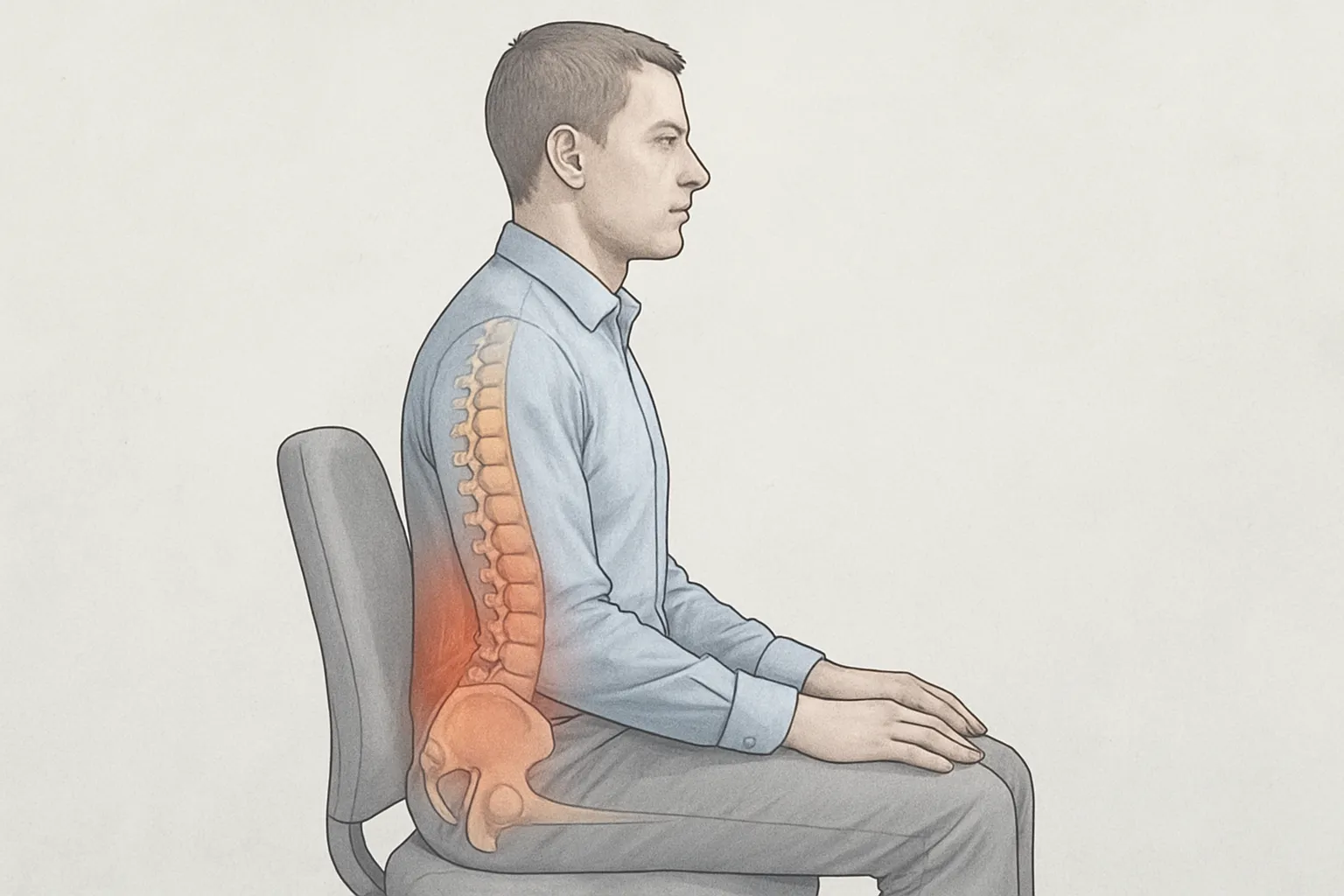
What is musculoskeletal health education throughout the life course, and what is its aim?
Definition
The musculoskeletal health education throughout the life cycle It is an ongoing process that provides knowledge, skills and attitudes for looking after bones, joints, muscles and soft tissues. It brings together clear information on how the body is loaded, how it recovers, and which habits promote safe movement, with the aim of supporting informed decisions in daily life, at work and during physical activity. It is tailored to each person’s age, activity level and circumstances, and covers both the sensible prevention of problems and the prudent management of discomfort or episodes of pain, without replacing clinical assessment where necessary.
Objective
Its aim is to strengthen the capacity of self-care and sound decision-making to preserve the function and participation in meaningful activities. To this end, it provides guidance on modifiable risk factors (sedentary lifestyle, repetitive strain, loss of fitness), workload and exercise dosage, postural variability, active breaks, basic ergonomics, recovery strategies and recognition of alarm signals which indicate that they should seek advice. This provides the individual with practical guidelines for managing their exposure to the stressor, interpreting common symptoms with caution, and seeking professional help where appropriate.
At different stages of life, specific content and skills are prioritised: in childhood, active play and learning a variety of movements; in adolescence, safe progression in training and the prevention of overuse; in adulthood, managing training and recreational workload and maintaining strength and mobility; and in old age, balance training, functional strength and strategies to reduce the risk of falls. A realistic and gradual approach is promoted at all ages, focusing on the security, an understanding of one’s own body and the ability to adapt to individual contexts and abilities.
Stage-based preventive recommendations: guidelines for musculoskeletal care in childhood, adulthood and old age
Childhood and adolescence
- Regular physical activity and varied (running, jumping, climbing, throwing, games) and tailored to the child’s biological maturity; making progress without pain and taking fatigue into account.
- Work by force with bodyweight exercises or light weights 2–3 times a week, using correct technique; carefully controlled jumps and impacts can help build bone mass when they are well tolerated.
- School bags and screen time: a well-fitting rucksack with both shoulder straps and a moderate weight; frequent breaks, changing posture and furniture suited to the child’s height.
- Sufficient sleep and a varied diet rich in protein and calcium; sensible exposure to sunlight, taking into account skin type and the environment; supplementation is only recommended in specific situations and under professional guidance.
- In organised sport, prioritise variety, periodisation and rest days to minimise strain and repetitive-strain injuries.
Adulthood
- Many guides recommend combining aerobic exercise with strength training 2–3 days a week, including major muscle groups, mobility and progressive load with proper recovery.
- Work and a sedentary lifestyle: break up periods of sitting with short breaks, vary your posture and adjust your workstation to distribute the load; use safe techniques when lifting and moving heavy loads.
- Gradual increases in running, walking or gym training; spread out weekly training loads; wear footwear and use surfaces appropriate to the activity and your injury history.
- Habits associated with better musculoskeletal health: adequate intake of protein, calcium and vitamin D in line with individual needs; staying hydrated; avoiding tobacco and drinking alcohol in moderation; and maintaining a stable weight.
- Signs warranting clinical assessment: persistent pain that wakes the patient at night, loss of strength or sensation, fever accompanied by joint pain, and repeated falls.
Old age
- Maintaining mass and function with force and strength training 2–3 times a week, as well as walking and everyday activities; include exercises to balance and coordination to support self-reliance.
- Fall prevention: a safe environment (good lighting, cables and carpets secured, handrails), closed, non-slip footwear, correction of visual or hearing problems where appropriate; regular review of medicines that may increase drowsiness or dizziness.
- Bone health: adequate protein, calcium and vitamin D, and sensible sun exposure; the need for bone densitometry depends on age and established risk factors.
- Pain and stiffness: moderate and varied activity, a longer warm-up, local heat therapy if tolerated; avoid prolonged rest and build up gradually from low intensities, allowing sufficient recovery time.
Musculoskeletal warning signs and risk factors: when to seek professional advice
Clinical warning signs
- Night pain, at rest, or which does not improve with standard treatment.
- Neurological deficit: loss of strength, tingling, numbness, saddle anaesthesia or sphincter disorders.
- Severe signs of inflammation (redness, heat, marked swelling) accompanied by fever or general malaise.
- Visible deformity, an inability to support or move a joint, or pain following high-energy trauma.
- Unintentional weight loss, night sweats or a history of cancer with new-onset bone pain.
Risk factors that raise suspicion
- Osteoporosis, previous falls or long-term treatment with systemic corticosteroids.
- Immunosuppression, poorly controlled diabetes, intravenous drug use or joint prosthesis.
- History of cancer or a recent infection, particularly if unexplained bone or joint pain develops.
- Occupational or sporting exposure to repetitive movements, high loads or sudden increases in training volume.
- Smoking and poor physical fitness, which may be associated with poorer recovery and a higher risk of relapse.
Progression and pattern of symptoms
- Persistence pain or stiffness lasting several weeks, or progression of functional limitation.
- Prolonged morning stiffness (tens of minutes) and warm or swollen joints, suggesting an inflammatory component.
- Recurring pain in the same area, increasingly frequent episodes, or a growing need for painkillers to carry out everyday tasks.
- Symmetrical symptoms in the hands, wrists or feet, or involvement of multiple joints without a clear mechanical cause.
Exercise and mobility in safety throughout the life course: practical guidelines for maintaining function
General safety and dosage guidelines
Planning should be based on an assessment of the person’s state of health, goals and limitations, adjusting the workload accordingly relative intensity that each person can tolerate. Prioritise the gradual progression (more repetitions, time or resistance, applied conservatively) reduces the risk of overtraining. A warm-up and cool-down Short sessions help the heart and joints to adapt. The Engineering and engine control It is preferable to avoid lifting heavier loads; avoid Valsalva manoeuvres if you have uncontrolled high blood pressure; and stop immediately if you experience acute pain, dizziness or unusual discomfort. Using a perceived exertion scale and monitoring symptoms help to guide safe adjustments on a day-to-day basis.
Components of the programme with a functional approach
Combine force (particularly in the lower body and torso), cardiorespiratory endurance (moderate intensity or manageable intervals), mobility (pain-free range with control) and balance (static and dynamic exercises) promote participation in activities of daily living. Multi-joint movements, push/pull patterns, squats, hip hinging and walking exercises involving changes of direction are transferable to functional activities. Planned variation in the stimulus (frequency, intensity, duration and type) and the variability These exercises help maintain adherence without relying on rapid increases in workload.
Adjustments by life stage and warning signs
During childhood and adolescence, the priority is learning basic techniques and taking part in supervised active play, whilst avoiding maximum loads until movement patterns are established. During pregnancy and the postnatal period, the intensity is adjusted, pelvic floor exercises are emphasised, and positions or impacts that cause dizziness, pain or instability are avoided; the reintroduction of loads is carried out progressively in line with tissue recovery. For older people or those with frailty, the focus is on leg strength, balance and reaction speed, using conservative progression and a safe environment; in cases of chronic conditions, the programme is tailored to the individual and coordinated with the healthcare team where appropriate. Warning signs that warrant stopping the session and clinical assessment include:
- Chest pain, compression or atypical radiation.
- Severe dizziness, syncope or confusion.
- Disproportionate shortness of breath, wheezing or cyanosis.
- Persistent palpitations or perceived arrhythmia.
- Acute joint pain, severe swelling or an inability to bear weight.
- Neurological deficit sudden (weakness, changes in vision or speech).
- During pregnancy: vaginal bleeding, fluid loss or painful contractions.
- Symptoms that persist or clearly worsen the following day.
Ergonomics, rest and daily habits that benefit bones, muscles and joints at every stage of life
Age-appropriate ergonomics
Organise your surroundings to maintain a neutral stance reduces the mechanical strain on the spine and joints. Whether studying or working, position the screen at eye level, with your forearms parallel to the floor, your lower back supported and your feet firmly on the floor; alternate between sitting and standing with frequent short breaks. When carrying out household chores or lifting objects, keep the load close to your body, stabilise your core, bend your hips and knees, and avoid sudden twists. For schoolchildren, a well-fitting rucksack with double straps and a balanced distribution of its contents reduces strain. For older people, seats of the correct height, good lighting, non-slip surfaces and frequently used items within easy reach help to minimise overexertion and the risk of tripping.
Rest and recovery rate
A sufficient and regular sleep is associated with better muscle recovery and motor coordination. Requirements vary with age: children and adolescents usually need more hours than adults, and older people can benefit from consistent sleep schedules and short naps, provided these do not disrupt their night-time sleep. A stable routine, exposure to natural light in the morning, a dark and quiet environment at night, and avoiding screens and stimulants in the hours before bed all promote rest. Spacing out intense exercise from bedtime and scheduling days with a lighter workload contributes to more efficient recovery.
Daily habits that protect your bones, muscles and joints
- Childhood and adolescence: prioritise a varied range of active games, motor skills and mobility; alternate study with breaks for physical activity; in sport, ensure gradual progression and supervised technique to reduce repetitive strain.
- Adulthood: combines force for large muscle groups, mobility Joint exercises and aerobic activity tailored to your fitness level; spread your physical activity throughout the day (walking, climbing stairs) and limit prolonged periods of sitting by taking short breaks.
- Older people: prioritise balance and coordination (e.g. single-leg balance exercises), regular walks and strength training with appropriate weights; wear stable footwear and well-fitting orthotics where necessary; maintain a hydration appropriate and organises the home to avoid having to stretch to reach things.