What is physical stress, and how is adaptation understood at different ages?
Clinical definition of physical stress
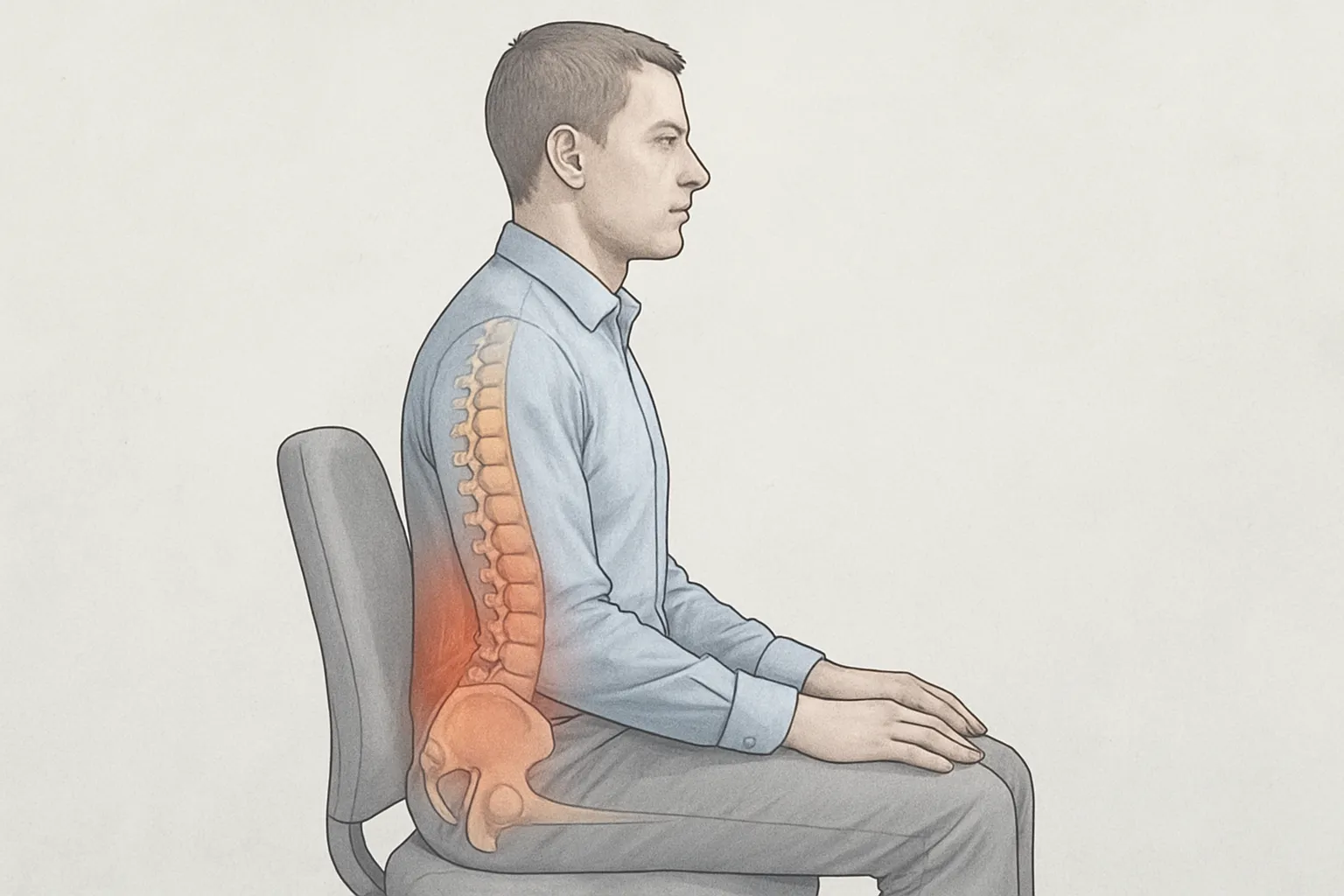
The physical stress is the set of claims mechanical, metabolic y neuroendocrine which force the organisation to adjust its homeostasis. This includes forces acting on tissues (tension, compression), energy expenditure, and activation of the autonomic nervous system and the hypothalamic-pituitary-adrenal axis. When the load is maintained within a tolerance window and is accompanied by recovery enough, the body carries out allostasis (functional adjustments) that can support the adaptation. If the demand repeatedly exceeds that window or becomes chronic, the allostatic load, with a higher likelihood of fatigue, persistent pain or injury.
Adaptation throughout life
The ability to adapt to physical exertion varies with age due to changes in tissue maturation, motor coordination and physiological reserves.
- Childhood: growing bones and tissues with active growth plates; variable tolerance to repetitive loads. Signs of overload (pain that limits function, lameness, inflammation) require an adjustment to the level of exposure.
- Adolescence: Pubertal growth spurts and hormonal changes can disrupt the strength-length relationship and motor control; a rapid increase in training loads is associated with a higher risk of overuse. Monitoring persistent discomfort helps to adjust the training load.
- Adulthood: greater structural stability and functional capacity, although this is influenced by the individual’s activity history and comorbidities. The level of load and recovery intervals influence the direction of adaptation.
- Older people: reduced muscle mass and strength, joint stiffness and a decrease in cardiovascular capacity; they usually require more gradual increases in workload and longer recovery times. There is considerable individual variability, and it is advisable to monitor the response following routine exercise.
Physiological response to exercise: differences between childhood, adolescence, adulthood and older people
Childhood
In childhood, the heart rate is higher for the same relative load, and the stroke volume is lower, so blood flow during exercise depends to a greater extent on the heart rate. The response of ventilation shows high respiratory rates and relatively low tidal volumes. Glycolytic capacity is limited, with lower lactate accumulation and often rapid recovery following brief, intermittent exertion. The thermoregulation it is less efficient (less sweating and greater sensitivity to temperature extremes).
Adolescence
As the child matures, heart size and stroke volume increase, and the haemodynamic response approaches the adult pattern; the ventilation becomes more efficient. Changes in hormone levels and body composition contribute to an increase in VO₂max absolute, whilst the value relative to body weight may vary depending on growth. It improves the anaerobic capacity and tolerance to lactate, with clearer transitions between aerobic and high-intensity exercise.
Adulthood
A more predictable and economical response predominates: a lower submaximal heart rate due to a higher stroke volume and improved peripheral oxygen extraction. The blood pressure The systolic pressure rises in proportion to the increase in workload, with adequate muscular vasodilation. The VO₂max It usually peaks in early adulthood and tends to decline gradually with age in the absence of stimuli that maintain it.
Older people
They reduce the maximum heart rate, the stroke volume and the arterial compliance, which reduces maximum cardiac output and may increase the pressor response to the same relative workload. Maximum ventilation and pulmonary diffusion capacity are reduced, leading to a lower tolerance to sustained exertion. Muscle mass and strength decrease, and the recovery After intense exertion, it tends to be slower; thermoregulation and the sensation of thirst may be reduced.
Signs of overexertion and risk factors by age group in physical stress
Signs of overload
In the context of the physical stress, signs of overload may include persistent pain or which appears at rest, disproportionate fatigue with regard to the effort, loss of performance or difficulty carrying out routine tasks, swelling or stiffness in the joints, symptoms that do not subside after a reasonable recovery period, sleep disturbances, mood swings, and elevated resting heart rate on a sustained basis. Other symptoms that may be observed include muscle atrophy, tenderness on palpation, restricted range of motion, night-time pain, dizziness on exertion, or recurrent minor injuries in the same area.
Risk factors by age group
- Childhood and adolescence: rapid growth with growth plates still open; early specialisation in a particular sport; sudden increases in volume or intensity; poor technique; insufficient rest; inadequate energy intake; equipment not suited to the child’s size; a history of overuse injuries.
- Young adults: high and sustained training or work loads; rapid changes in load without progression; insufficient sleep; consumption of alcohol or stimulants; muscular imbalances and technical errors; recovery limited by academic or work-related stress.
- Middle-aged adults: reduced tendon elasticity; “weekend warriors” with sudden spikes in physical activity following a sedentary lifestyle; being overweight; prolonged periods of sedentary work; emerging comorbidities (e.g. hypertension, dyslipidaemia) that affect exercise tolerance; wearing unsuitable footwear.
- Older people: sarcopenia and loss of power; osteopenia/osteoporosis; osteoarthritis; polypharmacy with potential effects on balance or hydration; impairments in proprioception and balance; comorbidities such as diabetes or cardiovascular disease; slower recovery following physical exertion.
Planning exercise and recovery: general guidelines for progressive adaptation according to age
Planning must strike a balance between external load (volume, intensity, frequency and density of the sessions) with the internal load (perceived exertion, accumulated fatigue, discomfort, sleep). A gradual progression It minimises sudden spikes and helps the tissue adapt. Adjusting on a week-by-week basis involves changing one variable at a time, prioritising the individualisation depending on the patient’s medical history, previous injuries, comorbidities and actual availability of recovery (sleep, basic nutrition, stress management).
Guidance by age group
- Childhood and adolescence: focus on technique and motor variety; conservative increases in load; avoid repeated maximum exertion and high volumes of high-impact exercise without prior preparation. Alternate exercise patterns and allow at least 24 hours between similar sessions; monitor for persistent joint pain or changes in gait.
- Young adults (18–35): greater tolerance to training intensity. Alternate between high- and low-intensity days; include one light or mobility day between intense sessions of the same type. Include regular “rest weeks” if fatigue builds up.
- Middle age (36–59): increase the interval between strenuous sessions targeting the same muscle group (≥48 hours where necessary), use smaller training increments, and prioritise strength and moderate power to maintain function.
- Older people (aged 60 and over): Start with low doses and increase them gradually. Spread the weekly volume across shorter sessions, with 48–72 hours of recovery per muscle group where the response indicates this is necessary; emphasise strength, balance and controlled power exercises. Adjust with particular caution in cases of frailty or where medication affects heart rate or perceived exertion.
The response monitoring Use these signs to guide adjustments: they indicate a need to reduce workload or increase recovery if disproportionate fatigue lasting >48–72 hours, pain that affects technique, a sustained decline in performance, non-restorative sleep or increasing morning tendon discomfort occur. If these signs are present, temporarily reduce volume or intensity, space out demanding sessions, and reintroduce small increments of progression once symptoms have stabilised. Periodisation involving training blocks and planned rest periods, combined with good sleep and nutritional habits, promotes more consistent adaptation at any stage of life.
Nutrition and hydration in adapting to physical stress at different ages
Childhood and adolescence
During growth phases, adaptation to the physical stress requires maintaining an adequate available energy and an adequate intake of carbohydrates around the activity to support the effort and recovery. The high-quality protein spread throughout the day promotes tissue repair. Micronutrients such as iron (due to an increase in lean body mass and, in adolescents, due to missed periods), calcium y vitamin D for bone development. When it comes to hydration, it is advisable to encourage frequent water intake and, during prolonged periods of exertion involving heavy sweating, to consider drinks that provide electrolytes and carbohydrates in age-appropriate amounts, whilst avoiding excessive amounts of free sugars.
Adulthood
Adaptation to training relies on a flexible intake of carbohydrates depending on the intensity and duration of the exertion, together with a regular distribution of protein high-quality to maintain and repair muscle mass. Unsaturated fats and a high proportion of plant-based foods contribute to nutritional balance without the need for restrictive strategies. When it comes to hydration, it is usually helpful to follow your thirst and monitor the colour of your urine, adjusting your fluid intake to suit the weather and your rate of sweating; during long sessions or when there is visible salty sweat, it may be wise to replenish sodium in moderation. Avoiding overhydration helps to reduce the risk of hyponatraemia.
Older people
With age, the relative requirements for high-quality protein due to a lower anabolic response, so it is advisable to prioritise leucine-rich foods (dairy products, pulses, eggs, fish) spread across meals, along with sufficient energy to avoid deficiencies that could hinder recovery. Hydration requires special attention due to a reduced sense of thirst: spreading fluid intake throughout the day and consuming foods with a high water content can help ensure adequate intake; during prolonged exercise or in hot environments, consider drinks with electrolytes in moderate amounts. Individualisation based on medication, renal function and comorbidities is essential for safe management.