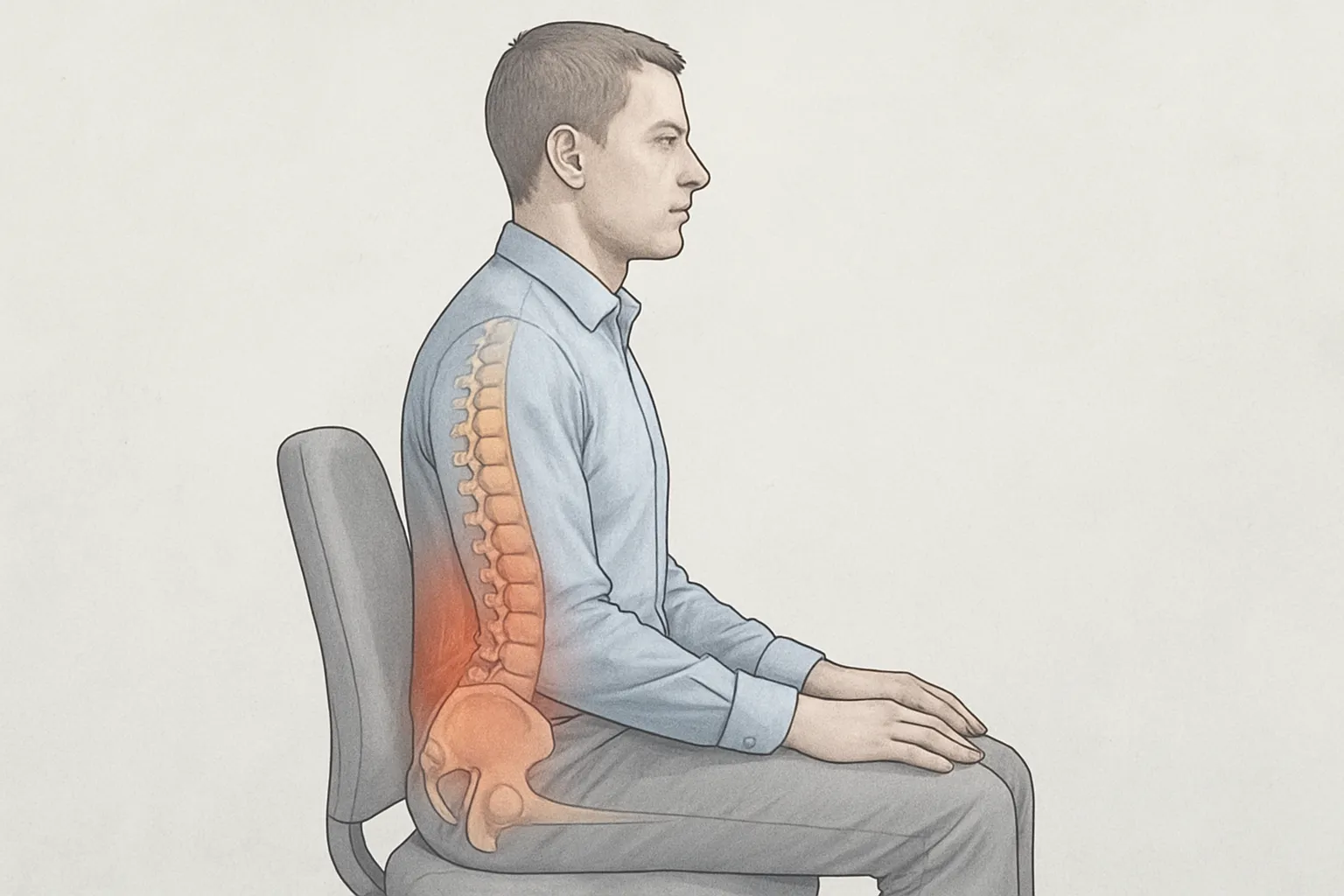
Common myths about chiropractic and why they persist: what is known and what is not based on available evidence
Common myths and what the evidence says
- “The chiropractic subluxations cause systemic diseases”. This hypothesis lacks solid clinical support; the practice is mainly framed around musculoskeletal problems.
- “The cracking sound means that the vertebra is moving back into place”. The sound is usually due to gas cavitation within the joint and does not demonstrate “realignment”.
- “It works for almost any pain and prevents relapse”. The evidence is heterogeneousshort-term relief may be observed in some people with acute low back pain, while prevention and sustained effects are not well established.
- “It is completely safe. Transient discomfort (pain or stiffness) is the most common; some reports have described rare risks, such as neurological or vascular complications following high-speed cervical manoeuvres.
- “It substitutes for other conservative interventions. It is often considered as an option within multimodal approaches that include exercise, education and pain management.
What is not known with certainty
- Which subgroups of patients respond best, with which techniques and with which “doses” (frequency and intensity).
- Comparative effectiveness versus therapeutic exercise, education and physiotherapy according to diagnosis and clinical stage.
- The actual duration of benefit and its impact on long-term recurrence prevention.
- The specific risk-benefit ratio in cervical spine versus other manual strategies, given that the reporting of adverse events is variable.
- The weight of placebo and contextual factors against the specific effect of the manipulation.
Why these myths persist
- Confirmation bias and testimonials: temporary improvements are attributed to treatment even if they can be explained by natural pain fluctuation.
- Spontaneous improvement in self-limiting pictures and confusion between correlation and causation.
- Uneven results and quality of studies, leading to contradictory messages and oversimplifications.
- Persuasive language and biomechanical metaphors that sound plausible even if they do not reflect clinical complexity.
- Variability among professionals and techniques, which makes it difficult to standardise practice and outcomes.
Safety in chiropractic: possible risks, common myths and reasons for their persistence
Potential risks and safety factors
Manual interventions on the spine can be associated with mild adverse events such as localised pain, stiffness, headache or transient fatigue, which usually resolve within a few days. The following have also been described rare but serious adverse events (e.g. neurological worsening, vascular complications after high-speed cervical manoeuvres), the exact causality and frequency of which are debated and appear to be low. Safety depends on the prior clinical assessment, the identification of RED FLAGS (infection, fracture, neoplasia, progressive neurological deficit, cauda equina syndrome) and of the recognition of absolute contraindications (acute fracture, significant instability, bone infection, active neoplasia in the area, marked osteoporosis with high risk of fracture) and relative (coagulation disorders, anticoagulation, severe stenosis, non-mechanosensitive pain). Technique selection, dosing and informed consent help mitigate risks.
Common myths
- Absolute safety or universal dangerextremes do not reflect clinical reality; the risk profile depends on the case and the technique.
- “Repositioning misplaced vertebrae”.”The aim is not to fit bones; the aim is to modulate the joint function and the perception of pain, not correct chronic dislocations.
- The crunch is essentialThe sound comes from joint cavitation and does not indicate efficiency or “alignment”.
- Generates dependencyrepetition of sessions may derive from perceived relief or preferences, not physiological addiction; there must be goals and reassessment.
- Always suitable for everyone: they exist indications and contraindications requiring clinical judgement.
Why these myths persist
- Anecdotal experiences and biasesThe following is a brief summary: striking stories outweigh evidence; coincidence in time can be mistaken for causality.
- Simplified messagesAlignment“ metaphors are easy to communicate and remember.
- Professional heterogeneityVariability in training and practice produces discordant messages.
- Media reinforcementcontent highlighting the crunch feeds unrealistic expectations.
- Information gapsIt is not always easy to distinguish risks by region (cervical vs. lumbar) or to properly interpret the clinical literature.
Scope and limits of chiropractic: where it might be considered, associated myths and why they persist
Chiropractic - focusing on spinal manipulation and mobilisation- could be considered, after a thorough clinical assessment, in musculoskeletal conditions such as non-specific mechanical low back pain without RED FLAGS, cervical stiffness of mechanical origin or cervicogenic headache. It is usually considered as a complement to a non-pharmacological approach that prioritises education, physical activity and targeted exercises, adjusting the technique (low-speed mobilisations or high-speed manoeuvres) to the tolerance, preferences and risk profile of each individual.
Its scope is limited and there are contraindications absolute or relative. It should not be used when there is suspicion of fracture, infection or vertebral tumour, cauda equina syndrome, progressive neurological deficit, recent significant trauma, severe osteoporosis or bleeding disorders, or signs of cervical vascular involvement. The following may occur adverse events mild and transient (local pain, stiffness, dizziness); rare serious complications have been reported, especially after cervical manipulations, so risk screening, informed consent and consideration of less mechanically demanding alternatives where appropriate are essential.
Several myths persist: that it “repositions misplaced vertebrae”, that it permanently corrects posture or that it treats non-musculoskeletal conditions. These myths are supported by factors such as confirmation bias, regression to the mean (spontaneous improvements in self-limited conditions), placebo effect and the influence of testimonials and marketing. In addition, joint clicking may be erroneously associated with procedural “success”, and variability in professional training and regulation in different settings contributes to confusion about its true evidence-based scope.
Chiropractic practitioner training and regulation: clearing up common misconceptions and why they persist
Academic background and competences
The training of the chiropractic professional varies from country to country, but in the more established models it is provided in university health science programmes. The curriculum usually includes anatomy, neurophysiology, biomechanics, clinical reasoning and skills in identifying warning signs y contraindications. A prudent clinical approach integrates clinical history, physical examination and use of complementary tests only when indicated, with emphasis on patient safety and referral when the condition exceeds their competence. There are differences in professional style (from conservative musculoskeletal approaches to more traditional approaches), which contributes to the heterogeneous perception of the discipline.
Regulation and scope of practice
The regulatory framework is uneven. In some places the term “chiropractor”.” is a protected title In others, the designation is not clearly regulated, allowing for very different training offers and practices. The scope of practice also varies: it is generally limited to conservative management of musculoskeletal problems and patient education, with no pharmacological prescription or invasive procedures in most jurisdictions. These legal differences influence public perception and care experience.
Common misconceptions and why they persist
- Equation with physiotherapy or chiromassage due to overlapping manual techniques and terminology.
- Expectations of quick results fuelled by testimonials and commercial messages.
- Literal use of concepts such as “adjustment” or “alignment” that may suggest broad structural corrections.
- Coexistence of professionals with university training and others without recognised accreditation.
- Contradictory international information circulating on the internet and social media.
These perceptions persist because of the regulatory heterogeneity, The diversity of training and practice models and the dissemination of simplified messages that do not reflect the complexity of clinical reasoning and the limits of evidence.
Why myths about chiropractic persist: role of cognitive bias, testimonials and marketing ploys
Cognitive biases that reinforce beliefs
The persistence of myths is underpinned by several biases. The confirmation bias leads to highlighting experiences that fit with previous expectations and discarding contrary signals. The post hoc fallacy (attributing the improvement to the last thing that was done) and the regression to the mean explain why fluctuating pain seems to improve “after” an intervention without there necessarily being causality. The availability heuristics makes eye-catching cases outweigh the systematic evidence, and the illusion of causality emerges when multiple factors (natural history, rest, analgesics, physical activity) converge in the development of symptoms.
Testimonies and anecdotes
The testimonies provide a anecdotal evidence persuasive but limited: they tend to reflect positive experiences, with selection bias y survivor bias, while unchanged or worsening cases are less reported. Vivid and emotional narratives may overshadow the clinical variability and multifactorial character of musculoskeletal pain. In addition, the natural history of many conditions and transient improvements can be mistaken for specific effects, giving the appearance of general efficacy from individual cases.
Marketing strategies and the digital environment
Persuasion strategies can amplify myths through social proof (reviews, number of followers), authority bias (titles, white coats) and technical language that suggests rigour without providing methodology or limits of validity. In digital environments, algorithms favour content that confirms previously held beliefs, creating echo chambers; This, coupled with simplified messages, “before and after” and extrapolated claims, facilitates the dissemination of unsubstantiated conclusions. Differentiate between robust evidence (systematic synthesis, reproducibility) and individual accounts is key to cautiously interpreting the claims that circulate.