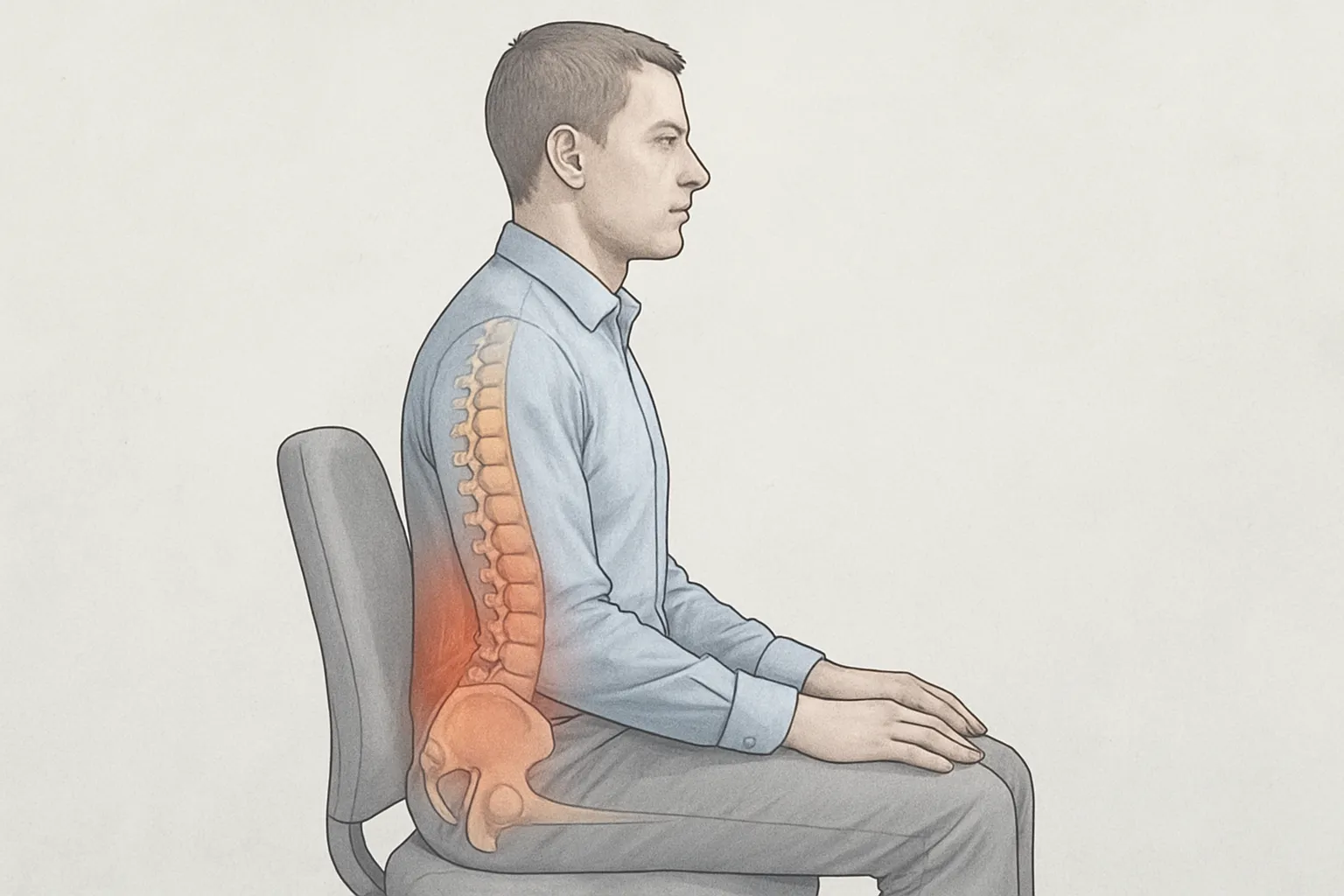
What does the current scientific evidence say about chiropractic care for lower back and neck pain?
Clinical efficacy
Recent scientific literature suggests that manual interventions used in chiropractic — in particular spinal manipulation and mobilisation — may offer a modest, short-term benefit in the acute/subacute lower back pain, with modest improvements in pain and function. In chronic lower back pain, the effects tend to be small and more consistent when incorporated into active programmes (therapeutic exercise and education). For the neck pain, the results are mixed: modest short-term improvements are reported, comparable to those seen with other conservative options, without any sustained superiority. The magnitude of the effect varies between studies and patients, and the methodological quality is inconsistent; therefore, the conclusions should be interpreted with caution.
Safety and clinical considerations
As far as safety is concerned, incidents are reported relatively frequently mild and transient adverse events (post-manipulation pain, stiffness, headache). The following have been reported: rare serious events, particularly in relation to the high-speed cervical manipulation; although individual aetiology is not always clear, a careful assessment of risk factors (vascular history, connective tissue disorders, significant osteoporosis, anticoagulation, progressive neurological deficits) and the exclusion of red flags (fracture, infection, neoplasm) are recommended. The choice of lower-speed or non-pulsed techniques may be prudent in high-risk populations.
Overall, the evidence supports considering these techniques as a non-pharmacological option within a multimodal approach to lower back and neck pain, particularly when maintaining activity and active interventions are prioritised. Significant or sustained effects should not be expected in all cases; it is reasonable to monitor the clinical response and reassess the plan if no relevant changes are observed within a defined period. Coordination with other professionals and informed consent focusing on risks and realistic expectations are key components.
Risks and safety of chiropractic: what peer-reviewed studies report
Common adverse events
Peer-reviewed literature reports that, following manual techniques used in chiropractic, it is common for mild and transient adverse events such as localised pain, stiffness, headache or fatigue. These symptoms usually resolve within a few days without further intervention. Estimates of prevalence vary widely between studies due to methodological differences and possible under-reporting; it is therefore not possible to establish precise and generalisable rates.
Rare serious events
Serious complications have been reported, albeit rarely, associated primarily with the high-speed cervical manipulation, including a possible temporary partnership with cervical arterial dissection/stroke. It is difficult to establish a causal link, and the published cases do not allow the risk to be quantified. In the lumbar and thoracic spine, there have been sporadic reports of worsening radiculopathy or herniation, cauda equina syndrome, and fractures (particularly with osteoporosis) and rib injuries or bruises in people with anticoagulation or bleeding disorders.
Risk factors and safety measures
Studies highlight that the risk may increase depending on the patient’s condition and the choice of technique. Precautionary measures include:
- Screening of RED FLAGS: progressive neurological deficits, infection, known cancer, significant trauma, unexplained weight loss, fever, severe night-time pain, severe osteoporosis, use of corticosteroids, anticoagulation.
- Avoid high-speed thrusts and terminal rotation of the neck where there are signs or a history suggestive of vascular disease, connective tissue disorders or unusual/sudden cervical headache.
- Adjust the amount of force applied and opt for mobilisation techniques or low-range movements in frail, elderly patients or those with significant comorbidities.
- Carry out a detailed medical history and neurological examination, including informed consent which includes a discussion of uncertainties and alternatives.
Quality and limitations of the evidence
Conclusions regarding risks and safety are largely drawn from observational studies, case series and reviews, which exhibit heterogeneity in definitions and reporting methods. Under-reporting and publication bias are recurring concerns, making it difficult to estimate incidence and establish causality. Overall, the peer-reviewed studies suggest a profile of predominantly mild events, with rare but clinically relevant serious complications, and highlight the need for research with improved reporting standards.
What do clinical guidelines and scientific societies say about chiropractic care for adults?
Clinical guidelines and the positions of scientific societies generally regard spinal manipulation/manual therapy carried out by qualified practitioners (including chiropractic) as an option for some adults with non-specific lower back pain. Priority is given to its integration into a multimodal approach which includes therapeutic exercise, education and, where appropriate, psychosocial interventions. The recommendation is usually conditional and depends on the patient’s preference, the clinician’s experience and the absence of warning signs.
These sources consistently emphasise:
- Preliminary clinical assessment to rule out serious conditions and set realistic goals.
- Use as a supplement, not as a substitute for exercise and education; as part of a structured programme, of limited duration and revaluation periodical.
- Safety and information the patient about adverse effects —which are usually mild and temporary— and about rare but potentially serious events, exercising particular caution in the case of high-speed cervical manipulation and the need for informed consent.
- Qualified professionals and techniques tailored to the patient’s age, comorbidities and preferences.
Furthermore, several scientific societies point out that the evidence is mixed, with limited certainty regarding some short-term outcomes and less clarity regarding the long term. It is not recommended in the presence of contraindications (for example, a fracture, cauda equina syndrome, infection, active vertebral cancer, severe osteoporosis or progressive neurological deficits), and their use is not recommended for non-musculoskeletal conditions. The indication must be determined on a case-by-case basis following an assessment of the risk–benefit balance and monitoring of the clinical response.
Chiropractic versus physiotherapy, exercise and routine care: an evidence-based comparison
Scope of each approach
The chiropractic focuses on the spinal manipulation and joint mobility, combined with education on habits and ergonomics. The physiotherapy includes functional assessment, therapeutic exercise, non-forceful manual therapy, pain education and self-care strategies. The exercise (strength, mobility, aerobic exercise) can be supervised or carried out independently, with a gradual progression. The routine care These include simple measures to provide relief and maintain daily activities.
Comparative efficacy
At lumbar pain In cases of acute or subacute mechanical back pain, spinal manipulation may offer modest short-term symptomatic relief, generally comparable to mobilisation, active physiotherapy or exercise programmes. For persistent low back pain, exercise and education programmes show sustained functional benefits which, on average, are no less effective than manipulation. In neck pain, the evidence is mixed: manipulation does not demonstrate consistent advantages over mobilisation and exercise, which are usually prioritised due to their risk profile. Standard care tends to be less effective than active interventions, although it may be sufficient in mild, self-limiting cases.
Safety and clinical application
Most approaches present adverse effects mild and transient (local pain, stiffness). Serious complications following cervical manipulation are rare, but have been reported; therefore, careful patient selection, non-forceful techniques and informed consent are recommended, particularly in the presence of factors such as osteoporosis, anticoagulation or neurological symptoms. Patient compliance and preferences have a significant influence on outcomes. To support this, standard care may include:
- Apply heat or cold locally, depending on tolerance.
- Scheduled analgesia as prescribed by a healthcare professional.
- Maintain physical activity within safe limits, avoiding prolonged periods of rest.
- Sleep hygiene and basic posture guidelines.
Re-evaluate in the event of progressive pain, neurological deficits, significant trauma or systemic signs.
Research quality and methodological limitations in studies on chiropractic
The available evidence on chiropractic shows a marked heterogeneity of the intervention: a variety of manual techniques, varying dosages and frequencies, inconsistent diagnostic criteria, and the practitioner’s experience, which influences the way the procedure is carried out. This variability complicates standardisation, hinders comparability between studies and limits robust causal inference, particularly when study designs are pragmatic and allow for co-interventions (e.g. exercise, painkillers) without strict monitoring.
As regards internal validity, the trials face challenges in terms of blindness For patients and healthcare professionals, “simulated” procedures may not be indistinguishable and may give rise to different expectations. The quality of randomisation and allocation concealment is not always described in detail; small sample sizes, loss to follow-up and short observation periods reduce precision. The lack of prior protocol registration and the selective report Research findings may be subject to bias, as may potential conflicts of interest when funding comes from parties with a stake in the discipline.
The outcome measurement It tends to rely on subjective pain or disability scales, which are susceptible to placebo effects and expectations; minimally important differences are not always specified, nor are objective markers (measurable functional capacity, return to work, medication use) or long-term patient-centred measures included. The choice of comparators (routine care, exercise, watchful waiting) influences the observed effect sizes, and in self-limiting conditions, spontaneous improvement may be confused with the effect of the intervention.
In summary, overall quality is affected by publication bias, clinical and methodological heterogeneity, which limits quantitative synthesis, and issues relating to external validity when the results depend on the environment or the professional’s expertise. The report on adverse events It is often incomplete, and many studies are not large enough to detect rare effects, which limits the interpretation of safety data. These considerations must be carefully weighed up when assessing the robustness and clinical applicability of the findings.