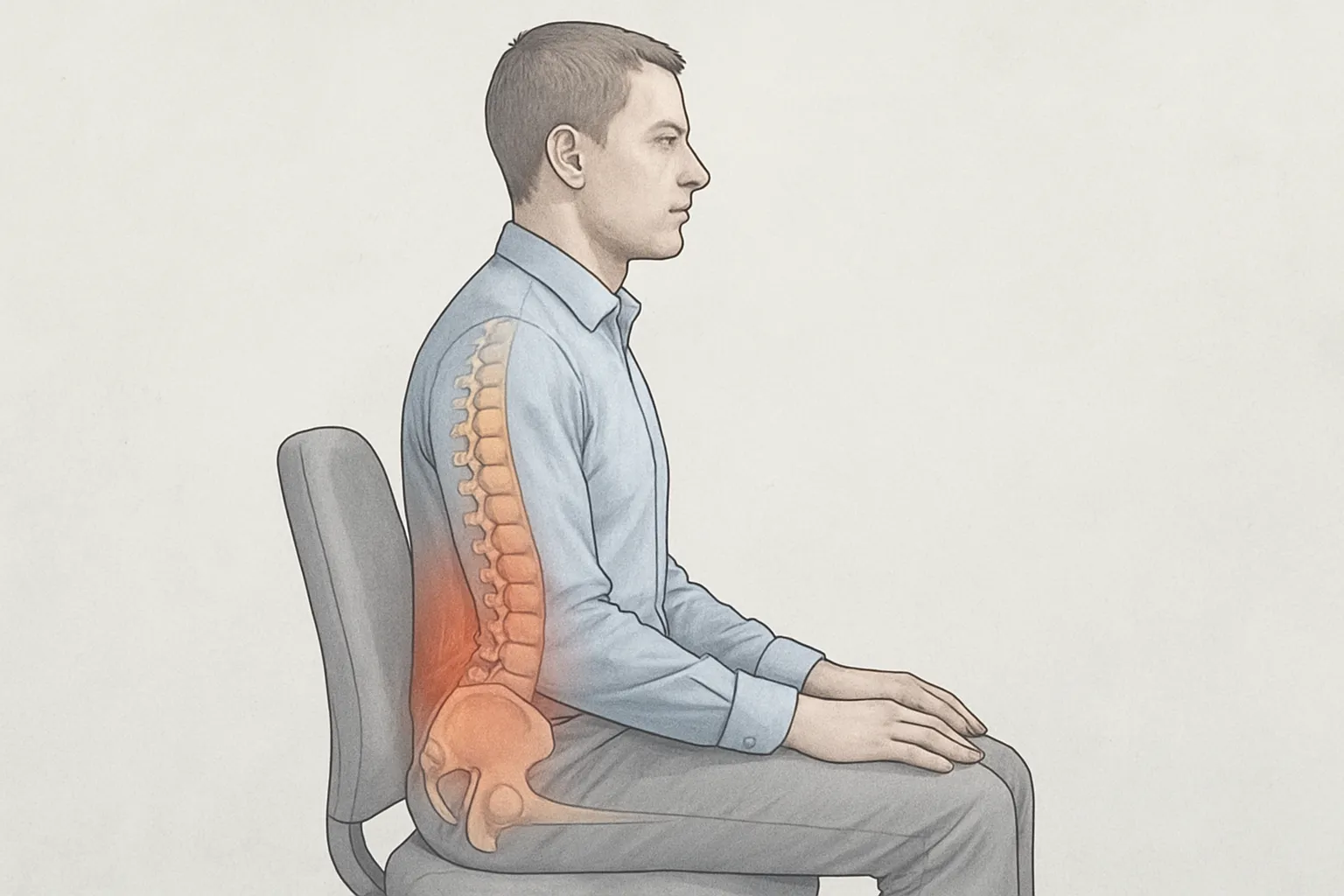
What are the differences between chiropractic and osteopathy in terms of their origins, principles and therapeutic approach?
Origin
Chiropractic emerged in the United States in the late 19th century (D. D. Palmer, 1895) based on the hypothesis that mechanical abnormalities of the spine might influence the nervous system, popularising the concept of vertebral subluxation (as distinct from the radiological use of the term). Osteopathy was established a few decades earlier (A. T. Still, 1874), emphasising the body unit, the structure–function relationship and the ability to self-regulation of the organisation.
Fundamentals
In chiropractic, the historical focus has been on the spine and its relationship with neuromusculoskeletal function; in contemporary practice, models centred on subluxation coexist alongside more functional approaches based on clinical assessment. Osteopathy describes the somatic dysfunction (changes in mobility and tissue tone) identified primarily through clinical palpation, and extends its theoretical framework to the musculoskeletal, fascial and, in some models, visceral systems.
Therapeutic approach and techniques
Chiropractic frequently uses high-speed, low-amplitude spinal manipulation (HVLA), joint mobilisation, soft tissue techniques and therapeutic exercise, tailoring the treatment plan to the clinical assessment and recognised contraindications. Osteopathy utilises a wide range of techniques, which may include HVLA, muscular energy, indirect techniques (e.g. strain–counterstrain) and myofascial approaches; some models incorporate visceral or cranial techniques, the level of scientific evidence for which varies.
Training and regulatory framework
Training and professional scope differ substantially from country to country. In the United States, the Doctor of Chiropractic (DC) is a non-medical professional with their own scope of practice, whilst the Doctor of Osteopathic Medicine (DO) is a fully licensed medical doctor who incorporates osteopathic principles into their practice. In other contexts, the terms “osteopath” and “chiropractor” may refer to non-medical qualifications with varying levels of training. These variations determine the type of assessment, the ability to request further tests and the scope of practice, whilst in all cases there remains a need for referral in the event of warning signs and for adherence to clinical indications and contraindications.
What are the differences between chiropractic and osteopathy in terms of the techniques used and the type of manual treatment?
Chiropractic usually focuses on correcting joint dysfunctions, particularly those of the spine, using high-speed, low-amplitude manipulation techniques (HVLA) applied using short lever movements and a segmental approach. Osteopathy, on the other hand, employs a broader range of techniques that combine direct and indirect manoeuvres on joints and tissues, with particular attention to soft tissues, fasciae and patterns of global mobility. Both disciplines may use joint manipulation, but they differ in the priority given to each type of technique and in the scope of their approach.
Common techniques used in each approach:
- Chiropractic: settings HVLA (possible cavitation), short-lever techniques (e.g. Diversified, Gonstead), drop tables, adjustments assisted by instruments (activator) and gradual mobilisation when rapid thrust is not appropriate.
- Osteopathy: non-forced joint mobilisation, techniques for soft tissues y myofascial release, muscle energy (active patient participation), indirect techniques such as comfortable positioning or balanced ligament tension; in some cases, the following is used HVLA. Approaches such as craniosacral or visceral therapy are used by some practitioners, although there is limited scientific evidence to support them and they are considered controversial.
Differences in the type of manual intervention:
- Location and intensity: Chiropractic tends to involve segmental, short-duration and faster-paced interventions; osteopathy usually involves broader, sustained and slower-paced manoeuvres.
- Patient involvement: a predominantly passive approach in chiropractic adjustment; greater active involvement in osteopathy (isometric contractions, breathing and repositioning).
- Use of tools: more common in chiropractic (instruments, specialised tables); osteopathy is mainly manual.
- Recruitment and safety: in both cases, the choice of technique depends on the clinical assessment and the contraindications (e.g. suspected fracture, instability, local infection, bleeding disorders or advanced osteoporosis), as well as the patient’s tolerance.
What are the differences between chiropractic and osteopathy in terms of the most common reasons for seeking treatment and the scope of each approach?
In clinical practice, the reasons for consultation They overlap, but differ in their usual focus: in chiropractic, mechanical lumbar and cervical pain, cervicogenic headache, dorsal/costovertebral stiffness and mild radicular symptoms without red flags predominate. In osteopathy, similar presentations are common, including musculoskeletal pain in the spine and limbs, restricted mobility and myofascial tension; some schools incorporate cranial or visceral approaches, the clinical use of which varies and must be assessed on a case-by-case basis.
As for the scope, chiropractic care focuses on the spine and the neuromusculoskeletal system, involving an orthopaedic/neurological assessment and, where indicated, imaging support. Its treatments usually prioritise high-speed handling (HVLA) and physical therapy, sometimes alongside advice on exercise and ergonomics. Osteopathy takes a comprehensive approach focusing on specific regions and tissues (articular, myofascial and, depending on the school of thought, visceral or cranial), using soft-tissue, joint-mobilisation and functional techniques, as well as HVLA, depending on the patient’s tolerance and treatment objectives. The training framework and regulation of both disciplines vary from country to country, which determines their scope of practice and areas of intervention.
With regard to limits and safety, in both cases it is essential to identify and refer to RED FLAGS such as fever, unexplained weight loss, trauma, marked bone fragility, coagulation disorders, progressive neurological deficit, sphincter dysfunction, persistent night-time pain or suspected vascular pathology (e.g. carotid/vertebral dissection). High-velocity manipulations are contraindicated in various situations and are not the only option; when used, prudent dosing and informed consent are prioritised. The evidence regarding manual techniques is mixed and, in common musculoskeletal disorders, they are usually considered within a multimodal approach which includes education and exercise, with interprofessional coordination where necessary.
What are the differences between chiropractic and osteopathy in terms of training, professional regulation and safety precautions?
Training
- Chiropractic: It is usually taught as part of full-time university programmes focusing on biomedical sciences, neuromusculoskeletal assessment and spinal manipulation techniques; it includes supervised clinical practice and skills in diagnostic reasoning. The structure and duration depend on the jurisdiction and the accreditation available.
- Osteopathy: the training pathway is more varied; it may take the form of a specific degree programme or postgraduate training for healthcare professionals. The curriculum tends to combine a biopsychosocial approach with structural techniques and, in some programmes, functional or visceral approaches, alongside supervised clinical practice. Requirements vary by country.
Professional regulation
- Chiropractic: In various jurisdictions, there is a requirement to be registered or licensed, with minimum standards regarding education, continuing professional development and professional indemnity insurance. The use of the professional title may be protected by law.
- Osteopathy: the regulatory situation varies; in some places it is recognised as a healthcare profession with a register and protection of the professional title, whilst in others it is practised as a complementary therapy with less legal oversight. The requirements regarding professional registration, insurance and audits depend on the local framework.
Safety precautions
- Both disciplines share principles of clinical screening, surveying and exploration aimed at detecting RED FLAGS (e.g. significant trauma, infection, progressive neurological signs) and the obligation to informed consent and documentation.
- When considering high-speed operations (particularly cervical), a thorough risk assessment is required, and their use should be avoided in cases where contraindications absolute or relative (e.g. severe osteoporosis, instability, anticoagulation, suspected vascular issues). Osteopaths may opt for indirect or low-load techniques when the potential risk is higher; in chiropractic, the use of HVLA techniques is usually more strictly protocolised, depending on the training received.
- Use of imaging tests or referral to a specialist only when clinically indicated; interprofessional communication in the event of concerning findings; informing the patient about possible temporary adverse effects and guidelines on when to seek advice if unexpected symptoms arise.
What are the differences between chiropractic and osteopathy in terms of the available scientific evidence and clinical recommendations?
Available scientific evidence
The chiropractic and the osteopathy They share manual therapy techniques, but the evidence focuses more on the spinal manipulation/mobilisation for musculoskeletal problems of the spine. In general, the reported results are modest and short-term, with methodological heterogeneity and a risk of bias in many studies. In osteopathy, the research base is more limited for cranial and visceral techniques, where data are scarce or controversial. For non-musculoskeletal conditions, the evidence in both disciplines is insufficient to establish firm recommendations.
Clinical recommendations
Clinical guidelines generally regard manual techniques as part of a multimodal approach and not as a one-off measure. A prudent approach prioritises education and therapeutic exercise, taking into account manipulation or mobilisation in selected cases of musculoskeletal pain, particularly lower back pain, following an assessment of risks and preferences. Common recommendations include:
- Red flag screening and contraindications before carrying out any procedure.
- Avoid routine imaging tests without clinical evidence.
- Take care with high-speed cervical manipulation due to possible rare adverse events.
- The use of manual therapy as auxiliary, with clear objectives and limited duration, whilst monitoring the clinical response.
Differences relevant to practice
Chiropractic has historically focused on spinal column, with a greater emphasis on high-speed, low-amplitude techniques; osteopathy also incorporates joint mobilisation, soft tissue techniques and, in some approaches, cranial/visceral techniques. However, current recommendations are more technique- and indication-specific which are profession-specific: it is suggested that the procedure be chosen on the basis of the diagnosis, safety, the patient’s preferences and the practitioner’s expertise, with shared decision-making, informed consent and discontinuation of treatment if there is no clinically significant improvement within a reasonable period of time.