What is chiropractic and what is its current approach to healthcare: a clear definition and its role in musculoskeletal care
Definition and scope
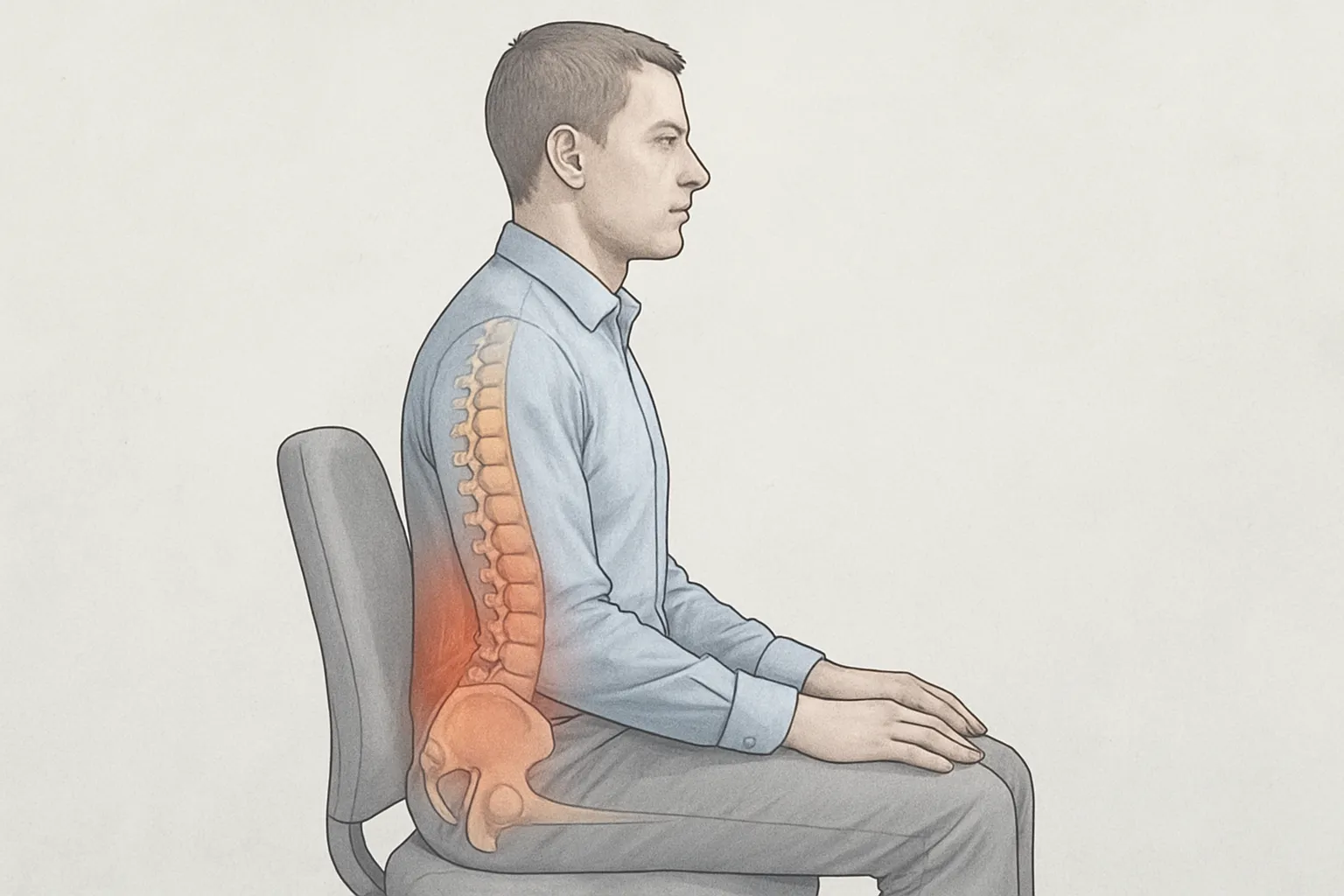
Chiropractic is a healthcare profession focusing on the assessment, diagnosis and management of mechanical disorders of the neuromusculoskeletal system, with particular focus on the spine and related joints. The practice is aimed at conservative treatment It is non-invasive and focuses on patient education, incorporating manual techniques, exercise recommendations and self-care strategies. It is delivered within formal clinical settings and does not replace other necessary medical care.
Current approach to healthcare
The clinical approach is prudent and based on the best available information: a structured medical history, physical and neurological examination, identification of warning signs, and the selective use of diagnostic tests where indicated. Interventions may include spinal manipulation and mobilisation tailored to the individual, soft-tissue techniques, therapeutic exercise and education to promote activity and self-management. Priority is given to informed consent, shared decision-making, the monitoring of functional outcomes and the ongoing assessment of risks and contraindications.
Role in musculoskeletal care
In the context of musculoskeletal pain of mechanical origin, chiropractic care can form part of a multimodal approach in conjunction with other disciplines where appropriate, with the aim of reducing symptoms and improving function in line with the individual’s response. It typically emphasises the maintenance of physical activity, ergonomic education and secondary prevention. Coordination and referral to other professionals take place when progress is not as expected or when findings suggest conditions requiring a different type of care.
Current scientific evidence on chiropractic: what is known and what is still under investigation
Current evidence on chiropractic, which focuses on spinal manipulation and mobilisation techniques, is mixed and depends on the clinical presentation. Generally speaking:
- Acute lower back pain: signs of modest short-term relief; effects similar to those of other non-pharmacological conservative approaches.
- Chronic lower back pain: small to moderate improvements in pain and function; results vary between studies and patients.
- Cervical pain: possible small short-term benefits; uncertainty regarding the extent and duration of the effect.
- Cervicogenic headache and, to a lesser extent, tensional: indications of benefit in some cases, with limited evidence.
- Radiculopathy/sciatica: inconsistent results and varying quality.
- Non-musculoskeletal conditions (e.g. asthma, high blood pressure, infant colic): lack of conclusive evidence of efficacy.
- Paediatric population: limited evidence with methodological limitations.
In terms of security, the most commonly reported adverse effects are mild and transient (local pain, stiffness, headache). Rare serious events have been reported, particularly following high-speed cervical manipulation, such as arterial dissections and neurological events; the exact causal relationship remains a matter of debate. The assessment of RED FLAGS, comorbidities and contraindications, together with the careful selection of techniques, are key components of the clinical approach.
Issues such as the following are still under consideration:
- Identify subgroups of patients most likely to respond.
- Define optimal dosage (technique, intensity and frequency) and compare it with exercise, physiotherapy and education.
- Estimate long-term effects, including recurrences and the need for maintenance.
- Specify cost-effectiveness depending on the healthcare context.
- Understand neurophysiological mechanisms of manipulation.
- Improving the security surveillance and the standardised reporting of adverse events.
Common uses of chiropractic, clinical limitations and situations in which it should be avoided
Common uses
Chiropractic is used as complementary approach in musculoskeletal disorders of mechanical and non-specific origin: lower back, upper back or neck pain mild to moderate in intensity, with joint stiffness and functional limitations associated with maintaining certain postures or overexertion. It is usually incorporated into a multimodal plan which prioritises therapeutic exercise, education and activity modification. The response varies and depends on the differential diagnosis, the chronicity of the condition and psychosocial factors.
Clinical limits
It is not a substitute for a medical assessment where warning signs are present, nor does it replace treatments prescribed for specific conditions. Manual techniques do not correct structural deformities or “align” organs; their scope is limited to musculoskeletal symptoms. The high-speed manoeuvres, particularly in the cervical region, require an individual assessment of risks and benefits; rare adverse events have been reported. The indication must be based on diagnosis, informed consent and regular review of objectives and safety.
Situations in which it is best to avoid it
- Progressive neurological deficits, signs of myelopathy or suspected cauda equina syndrome (urinary retention, saddle anaesthesia).
- Acute trauma, fractures, spinal instability or recent spinal surgery without medical authorisation.
- Infection suspected or confirmed (e.g. osteomyelitis, discitis) or spinal pain accompanied by a fever.
- Tumour known, bone metastases or unintentional weight loss accompanied by persistent night-time pain.
- Severe osteoporosis or other conditions that increase the risk of fracture.
- Anticoagulation with a high risk of bleeding or haemorrhagic disorders.
- Sudden, severe neck pain associated with neurological symptoms or suspected cervical vascular event.
- Inflammatory arthritis with cervical instability (e.g. atlantoaxial involvement) or connective tissue disorders with marked hyperlaxity.
- Pregnancy with complications or situations in which high-speed techniques or abdominal pressure are not recommended.
Safety in chiropractic care: potential risks, adverse effects and warning signs
Potential risks
Chiropractic includes spinal manipulation and demonstrations which, although they are usually held with safety measures in place, entail potential risks depending on the area treated, the intensity of the procedure, the condition of the bone and blood vessels, and any concomitant medical conditions. Rare complications have been reported, particularly following high-speed cervical manipulation, such as cervical vascular injury and acute neurological events. It may also lead to a worsening of pre-existing radiculopathy or a herniated disc, a fracture in an osteoporotic bone, a rib injury during chest manoeuvres, or cauda equina syndrome in specific contexts.
Adverse effects
The adverse effects The most common side effects are mild and temporary: localised pain or stiffness, headache, a feeling of tiredness or mild dizziness, which usually resolve within a short time. Less frequently, autonomic reactions (nausea, sweating), severe dizziness or blurred vision may occur. Serious complications are rare, but cases of cervical vascular injury with neurological symptoms, worsening of pre-existing neurological deficits, and fractures in the presence of osteoporosis or marked osteopenia, bruising in people on anticoagulants, and soft-tissue injuries.
Alarm signals
The following are considered alarm signals which warrant urgent medical assessment following a procedure or constitute relevant contraindications prior to undergoing it:
- New or progressive neurological deficits: weakness, loss of sensation, gait disturbance, incontinence or “saddle” anaesthesia.
- Sudden, severe neck pain associated with a severe headache, severe dizziness, double vision, difficulty speaking or swallowing.
- Chest pain, shortness of breath or focal neurological symptoms of acute onset.
- Fever, chills, night-time pain that does not improve with rest, or a history of cancer, active infection, recent trauma or unexplained weight loss.
- Contraindications or high risk: severe osteoporosis, use of anticoagulants, suspected fracture, cervical instability, spinal neoplasm or infection, myelopathy.
Regulation and training in chiropractic: how to check credentials and choose a qualified practitioner
Regulations governing chiropractic vary between countries and regions. Before booking an appointment, check whether there is a requirement in your jurisdiction to licence or registration and check the official directory of the health authority or the professional body. Check that the practitioner holds a specific university degree in chiropractic awarded by an institution accredited by recognised bodies (e.g., accreditation (such as the Council on Chiropractic Education or its regional equivalent), and confirm the legal scope of your local practice (permitted techniques, requests for imaging, referrals).
- Valid licence/registration and a verifiable number from an official source; please also check disciplinary history public.
- Qualification and continuing professional development documented; avoid practices that lack recognised formal training.
- Clarity on informed consent, instructions and contraindications (e.g. fractures, infection, acute neurological deficits, severe osteoporosis or anticoagulation without assessment).
- Use imaging tests judiciously, only when clinically indicated; be wary of routine X-rays.
- Professional indemnity insurance current legislation and data privacy policies.
The clinical criteria for making a choice include a comprehensive assessment (medical history, neurological and orthopaedic examination), an explanation of plausible risks and alternatives, realistic objectives, and regular review of progress. Signs of good practice include interprofessional communication where appropriate, and a willingness to to derive If there are any warning signs, ensure transparency regarding the estimated frequency and duration, and avoid fixed-price packages or promises of specific results.