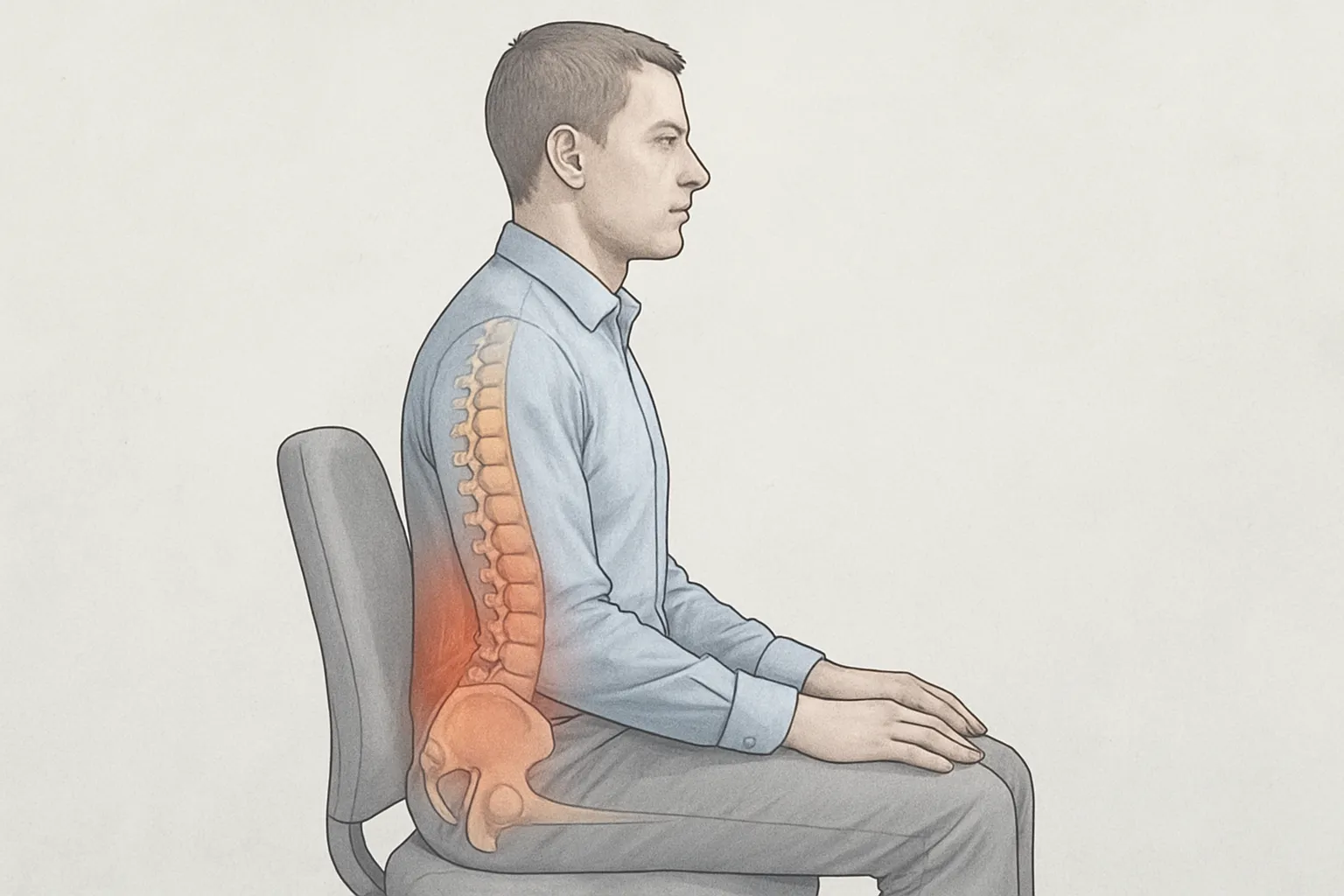
Modern chiropractic vs. traditional concepts: definitions and relevant clinical differences
Operational definitions
Traditional chiropractic often focuses on the vertebral subluxation as an explanatory axis of multiple dysfunctions, proposing the spinal adjustment/manipulation as the main intervention to “correct” it. Modern chiropractic, on the other hand, adopts a evidence-based approach and the biopsychosocial model, by limiting its scope to problems musculoskeletal and employing clinical assessment strategies, education, exercise and manual techniques selected according to indication and safety. It does not assume that spinal interventions modify systemic diseases nor does it extrapolate effects beyond what is supported by the available scientific literature.
Relevant clinical differences
In the assessment, the modern approach prioritises structured anamnesis, neuromusculoskeletal examination, screening for RED FLAGS and the risk stratification, reserving imaging for justified clinical criteria. In planning, the tendency is towards limited treatment episodes, measurable objectives and periodic re-evaluation, with a preference for the therapeutic multimodality (e.g. education and exercise) and shared decision-making. Traditional approaches tend to place greater weight on repeated subluxation-oriented adjustment and predefined frequency schemes. In clinical communication, the modern framework avoids deterministic attributions, encourages realistic expectations and discourages unnecessary dependency.
Practice and professional boundaries
Modern chiropractic emphasizes the informed consent, The recording of functional outcomes, technical adaptation to co-morbidities and timely referral when warning signs, progressive deficits or lack of reasonable clinical response appear. Interprofessional integration and respect for practice limits are central: safety is prioritised, techniques are adjusted to contraindications, and it is recognised that not all musculoskeletal conditions benefit from the same approach or require manipulation. These guidelines seek consistency with clinical guidelines and prudent, person-centred practice and ongoing assessment of the risk-benefit balance.
Current scientific evidence: what is known about outcomes and safety in modern chiropractic versus the traditional approach
Clinical results
The modern chiropractic, aligned with guidelines and with musculoskeletal diagnostics, usually combines spinal manipulation o mobilisation with therapeutic exercise and education. The scientific evidence describes modest improvements in pain and function, especially in the short term, in conditions such as mechanical low back and neck pain and certain cervical headaches, especially when integrated with active strategies. The magnitude and duration of effect varies between studies and techniques. The traditional approach based on the correction of the “vertebral subluxation”and for broad systemic effects the evidence is inconclusive, and for non-musculoskeletal conditions the evidence is limited or inconsistent.
Security and risks
Spinal manipulation and mobilisation are associated with frequent but generally mild and transient adverse effects (local pain, stiffness, brief headache). The following have been reported serious adverse events rare after procedures - especially cervical - such as vascular or neurological injuries, with a causal relationship that is not always clear. The risk may be increased by RED FLAGS or comorbidities; therefore, contemporary practice emphasises clinical history, neurological examination, informed consent and selection of less aggressive techniques when appropriate. Contraindications or prior referral are usually considered:
- Progressive neurological deficit or suspected cauda equina syndrome.
- Suspected or confirmed vertebral fracture, tumour or infection.
- Known or recent cervical vascular disorders.
- Severe osteoporosis or marked bone fragility.
- Uncontrolled anticoagulation or bleeding disorders.
Limitations of the evidence and comparison of approaches
The literature presents heterogeneity of techniques, populations and outcome measures, with few direct comparisons between modern chiropractic y traditional approach. No clear and generalisable superiority can be established; outcomes depend on clinical indication, practitioner and adherence to multimodal strategies. Broad claims about the “vertebral subluxation”as a cause of systemic disease lacks robust confirmation. A prudent approach prioritises diagnosis, individualised selection of techniques, periodic reassessment and coordination with other interventions where appropriate.
Indications and limits of use: in which situations is chiropractic valued and when should it be avoided?
When its use can be assessed
- Low back pain of origin non-specific mechanical, without warning signs, following appropriate clinical assessment.
- Mechanical cervical pain and cervical stiffness with segmental dysfunction, without structural instability.
- Chest or limb pain of probable origin musculoskeletal (once visceral causes have been ruled out).
- Some headaches of cervical origin suspected, within a conservative and supervised approach.
- Limited mobility due to joint hypomobility, as part of a multimodal plan with exercise and education.
When to avoid or postpone it
- Red flagssuspected infection, fracture, cancer or undiagnosed systemic pathology.
- Progressive neurological deficits, The following conditions may be present: atherosclerosis, cauda equina syndrome, myelopathy, marked loss of strength or sphincter disturbances.
- Background on cervical arterial dissection, recent TIA/stroke or significant vascular disease of the neck.
- Severe osteoporosis, vertebral instability, unstable spondylolisthesis or recent surgery in the region to be treated.
- Anticoagulation o bleeding disorders: avoid high speed/high amplitude techniques.
- Acute disc herniation with medically unassessed severe radiculopathy, or rapidly progressive pain.
- High-risk pregnancy or fragility marked: prioritise low-intensity techniques and individual assessment.
Indication should be based on anamnesis, examination and ruling out red flags. High-speed manipulation is not essential; lower intensity techniques may be preferred or integrated with therapeutic exercise and education, adjusting the plan according to clinical response and patient safety.
Training, regulation and techniques: how contemporary practice differs from classical trends
Training
Contemporary practice prioritises a competence-based training, The training is supervised, with continuous updating and research literacy to critically interpret the evidence. In contrast to the classical trends, more focused on doctrinal schools and prolonged learning trajectories with less standardisation, today emphasis is placed on transversal skills: case formulation, risk assessment, clinical communication and interprofessional work. Structured supervision and ethical reflection are part of the training process from early stages.
Regulation
Currently, there is a predominant professional regulation more explicit: protected titles, accreditation criteria, codes of ethics, informed consent, data protection and continuing professional development requirements. Although historically there was greater heterogeneity and less external supervision, today minimum standards for safe practice, audit mechanisms and complaint routes are established, as well as delimitation of the scope of action and referral protocols when clinical complexity requires it.
Techniques
Contemporary practice adopts a evidence-informed integration, It uses manualised interventions where appropriate and combines them with individualised formulations. Transdiagnostic and modular approaches are used, consideration of cultural and trauma factors, and adjustments based on systematic measurement of clinical outcomes without assuming guaranteed improvements. The prudent use of digital tools, adherence monitoring and the identification of indications and contraindications guide the technical choice, prioritising safety, proportionality and transparency in the limits of each method.
Integration in the healthcare system: interdisciplinary collaboration today vs. the traditional view of independent practice
The traditional view of the independent practice focuses on professional autonomy and episodic patient management, with mainly individual clinical decisions and poorly standardised referral circuits. In contrast, the interdisciplinary collaboration The current system of care is organised around multidisciplinary teams, with defined roles, clinical sessions and care pathways that prioritise the continuity of care, coordination between levels and the patient safety. This approach is supported by risk management tools, structured communication and interoperable information systems.
Key operational differences
- Roles and responsibilities: in independent practice, individual delimitation; in teams, competency matrix and shared clinical leadership.
- Communication and documentation: spot reports vs. common notes and plans in electronic medical records with access according to professional profile.
- Decision-making: individual judgement vs. consensus decision in case committees, with escalation criteria and second opinions.
- Referral and access: professional discretion vs. shared protocols referral, prioritisation and follow-up.
- Quality and safety: personal evaluation of results vs. process indicators and audits of clinical governance (adverse events, medication reconciliation, safe transitions).
- Inter-level coordination: isolated episodes vs integrated care pathways between primary care, specialised care and community resources.
- Ethical and legal framework: individual liability and consents per act vs. informed consent integrated, data protection and co-responsibility agreements between entities.
Implementing integrated models requires clinical leadership, standardisation of processes, technical interoperability, interprofessional training and protected time for coordination. Barriers such as organisational fragmentation, administrative burden or poorly aligned incentives persist. Collaboration does not replace professional responsibility, but rather articulates it within agreed and assessable frameworks. Its adoption should be adjusted to the local context and monitored with traceable metrics of safety, efficiency and patient experience, avoiding unjustified extrapolations.