
Prolonged sitting posture and lumbar load
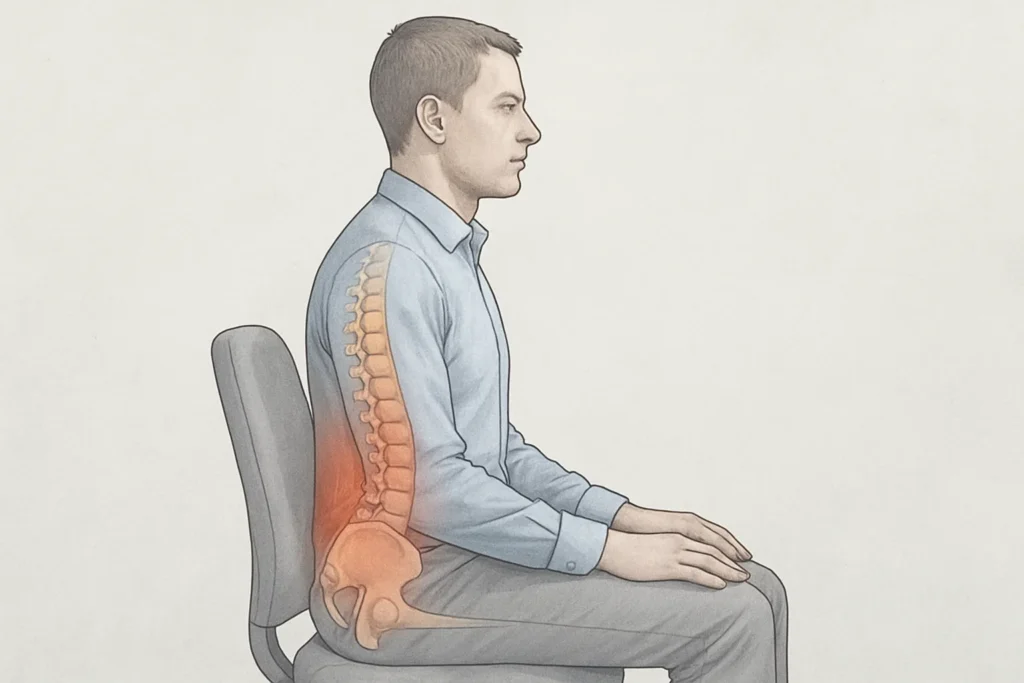
Prolonged sitting and lumbar loading: clinical definition and distribution of forces in the lumbar spine Operational clinical definition In clinical practice, prolonged sitting is described as prolonged sitting for extended periods with little postural variation and low trunk muscle activation. This scenario is of interest because it conditions a sustained mechanical load on the [...]
Everyday habits that impact on spinal health
Ergonomics at work and teleworking: practical adjustments that can promote spinal health Workstation adjustments (office and home) A workstation set-up that facilitates a neutral posture can help to reduce unnecessary mechanical loads on the spine. The aim is to align ears-shoulders-hip, distribute weight and allow for adjustments during the day. [...]
How to adapt the workplace to reduce physical strain
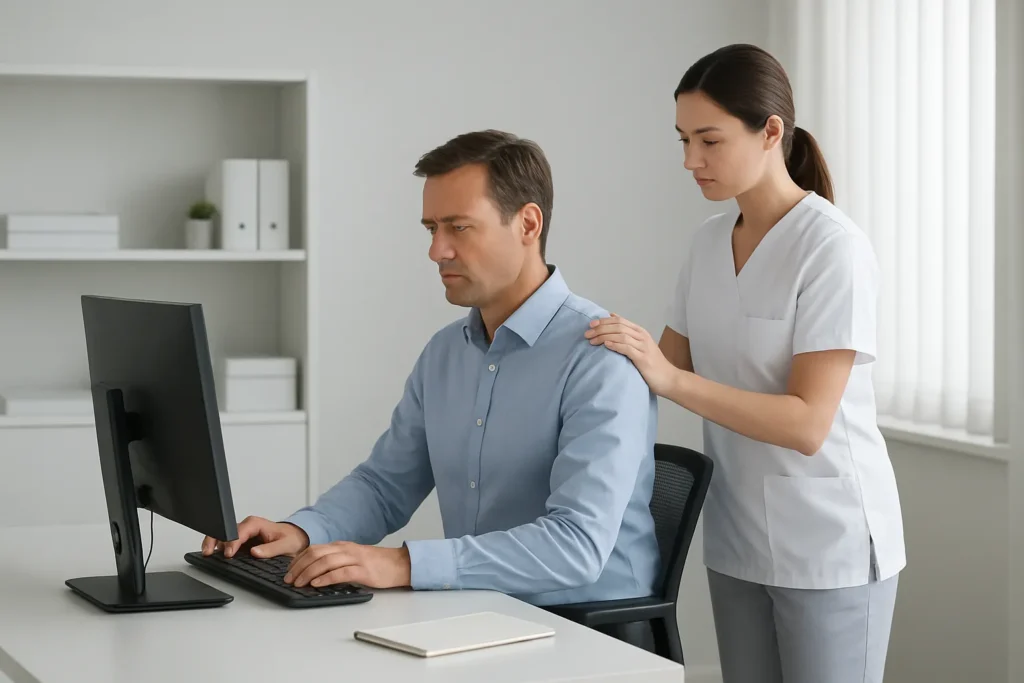
How to adapt the office workstation (chair, desk, screen and lighting) to reduce physical overload Chair and desk Adjust the height of the seat so that your feet are fully supported and your knees and hips are at comfortable angles; if you cannot reach the floor, use footrests. Maintain lumbar support that respects the curvature [...].
Footwear and postural health: what to look out for
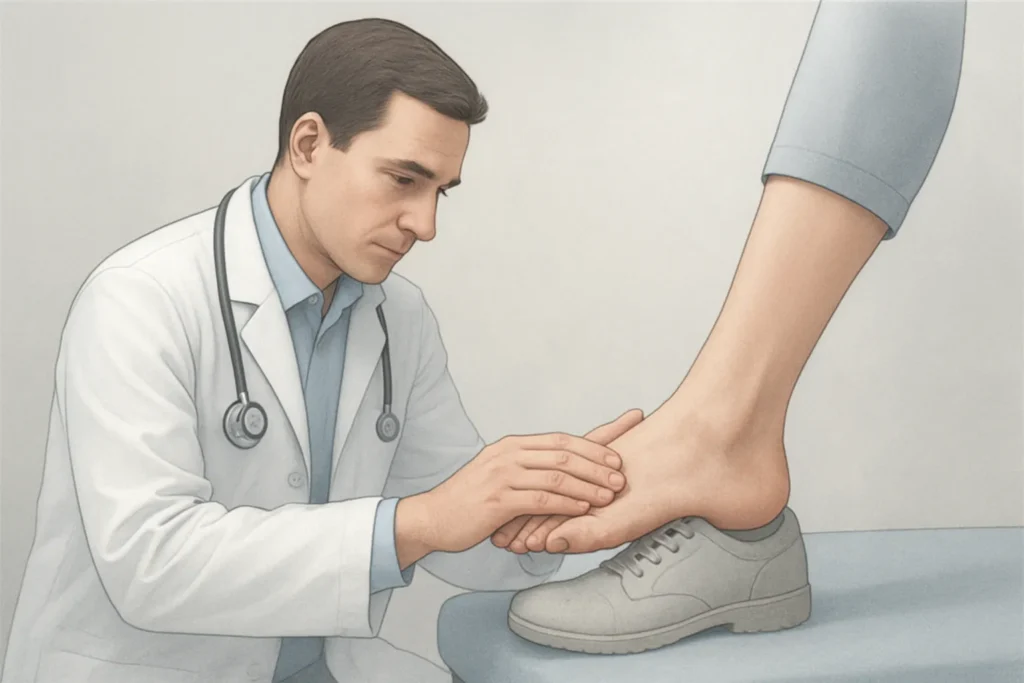
Footwear and postural health: how shoes influence body alignment and biomechanics Footwear acts as a mechanical intermediary between the foot and the ground, modulating body alignment and the biomechanics of walking and standing. Changes in geometry, stiffness and materials can modify the distribution of plantar pressures, the [...]
How stress influences body posture
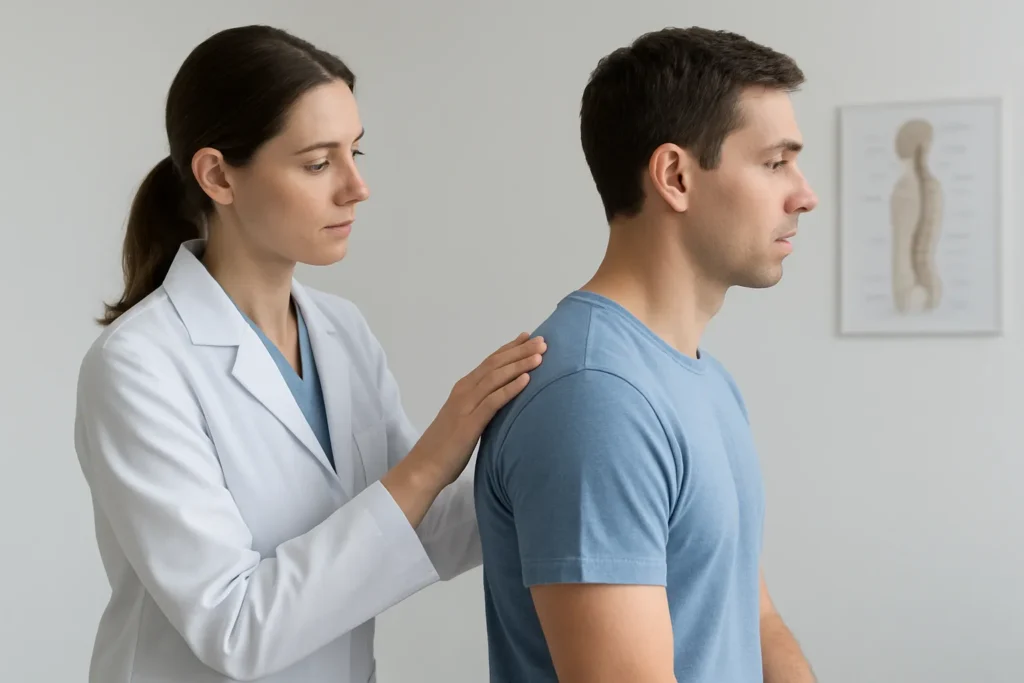
How stress influences body posture: what is known and what remains to be clarified Stress is associated with sympathetic activation and increased basal tone, which can result in sustained muscle hypertonicity, especially in the neck, shoulders and lower back. Changes in motor control have also been described with increased co-contraction [...].
What are active breaks and why are they important?
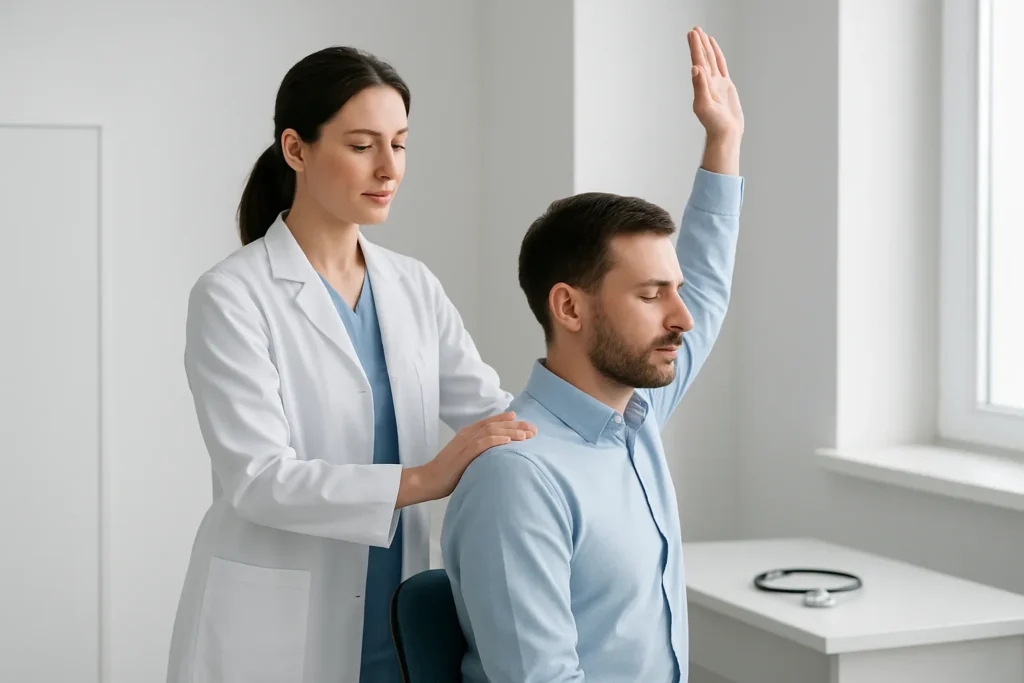
What are active breaks and why they are important for health during long study or work days Active breaks are short, planned interruptions during long study or work days that introduce gentle mobility, postural changes and visual rest. They are not intended to be an intense workout, but rather to break prolonged sitting with a [...]
Why postural correction is not just about “straightening up”.”
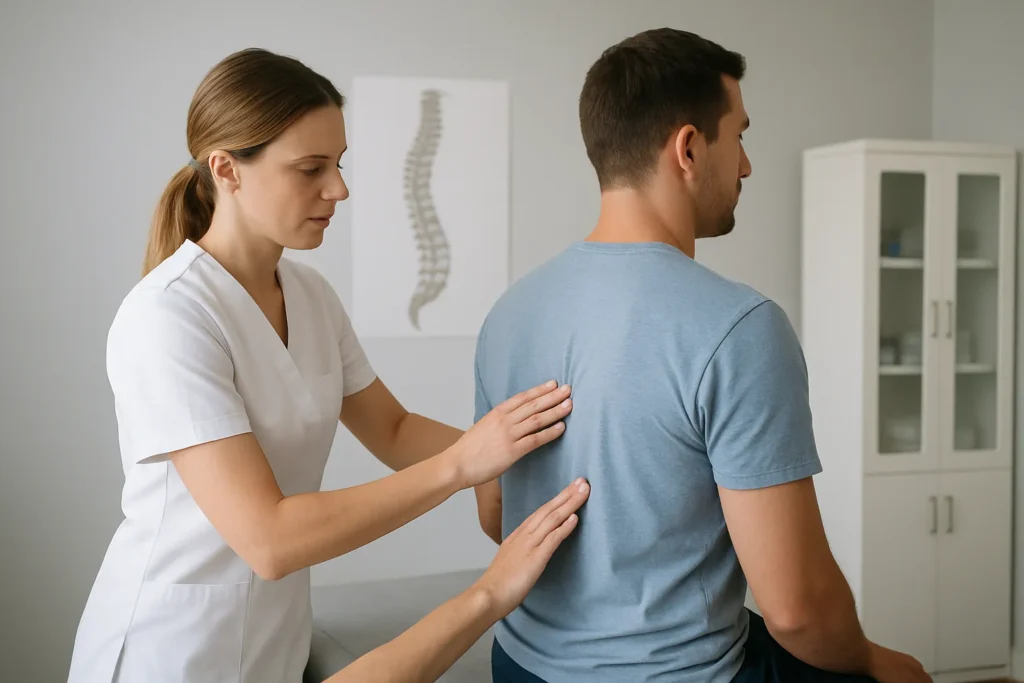
Why postural correction is not just “straightening up”: clinical concept and realistic goals What “postural correction” means in clinical practice Postural correction does not mean “standing up straight”, but rather the body's ability to adapt to organise itself according to the task, the exposure time and the characteristics of the individual. In clinical practice, it is understood as [...]
Factors altering posture over time
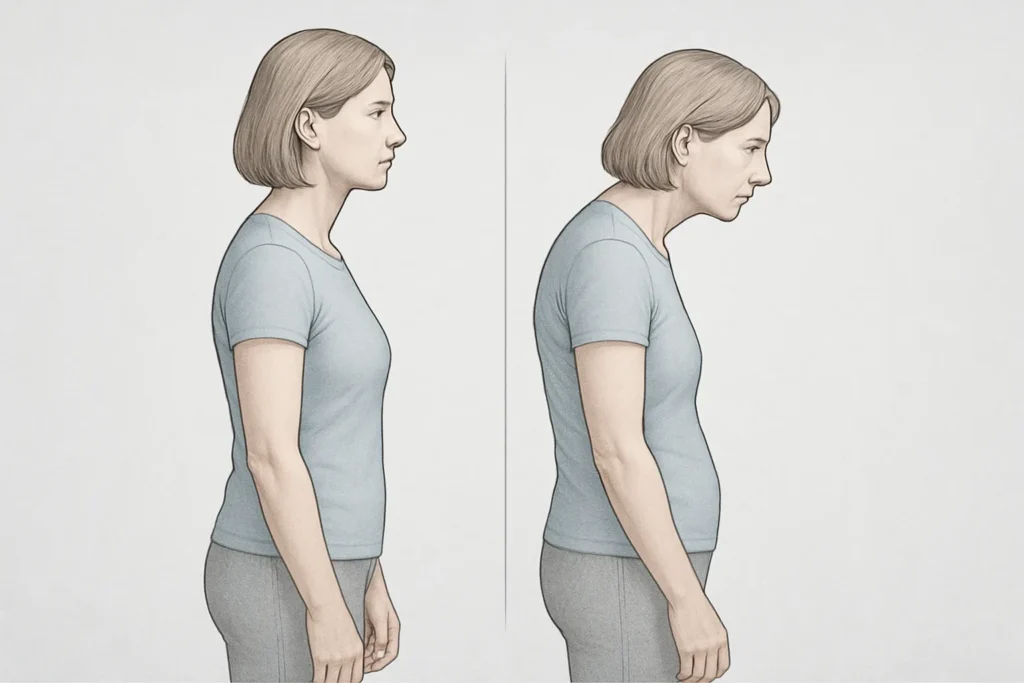
What are the factors that alter posture over time and how do they influence body biomechanics Factors that alter posture over time Posture is modified by the interaction of biological, behavioural and environmental variables. Biological variables include tissue ageing (changes in the intervertebral discs, changes in the [...]
Postural differences between face-to-face work and teleworking
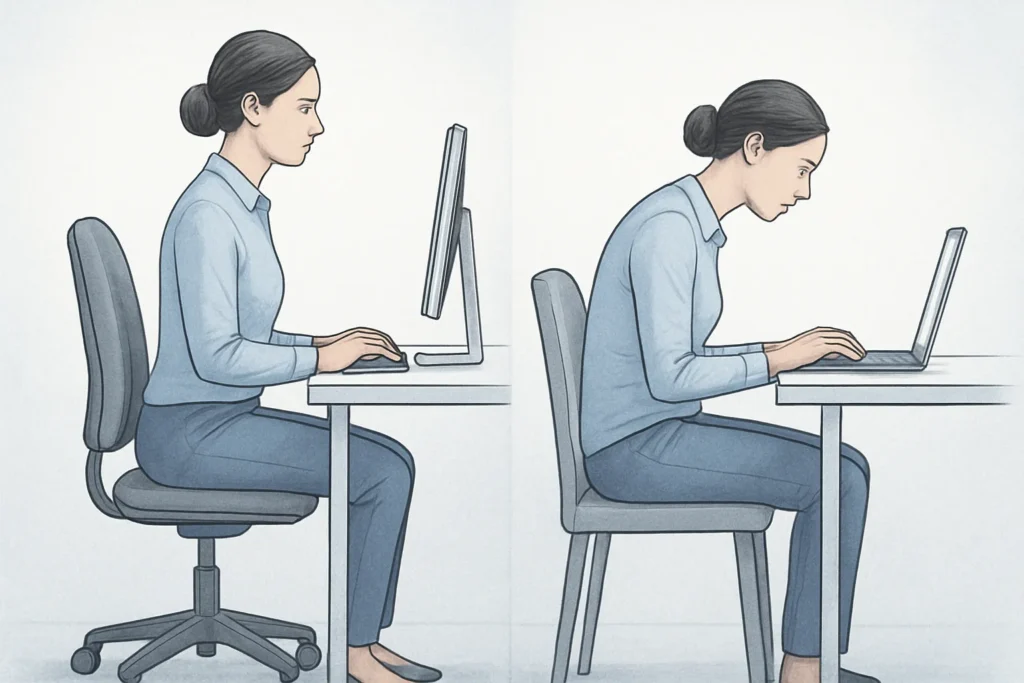
Diferencias posturales entre trabajo presencial y teletrabajo: qué cambia en la alineación corporal En entornos de trabajo presencial, la estación suele estar más estandarizada (silla regulable, monitor a la altura de los ojos, periféricos separados), lo que facilita una alineación neutra si se ajusta correctamente. En teletrabajo es común el uso de portátiles en mesas […]
Importance of regular movement for spinal health
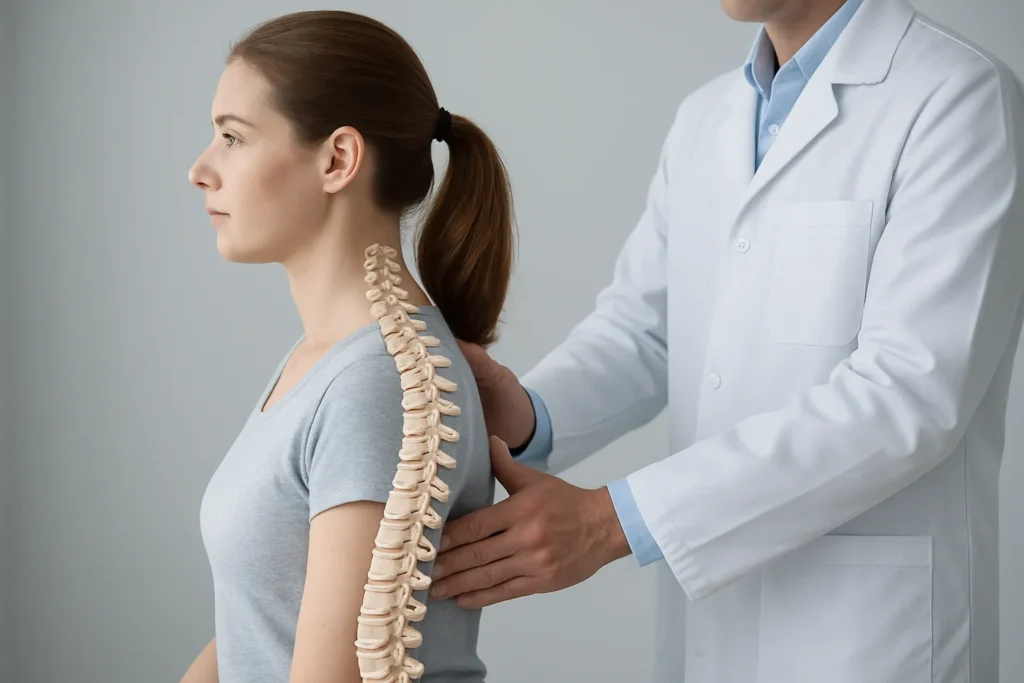
What “regular movement” means and why it is important for spinal health What is “regular movement” “Regular movement” refers to a frequent and sustained practice over time of activities that involve the body as a whole, not just formal exercise. It includes walking, alternating postures, mobilising the spine in different planes and tasks [...].
